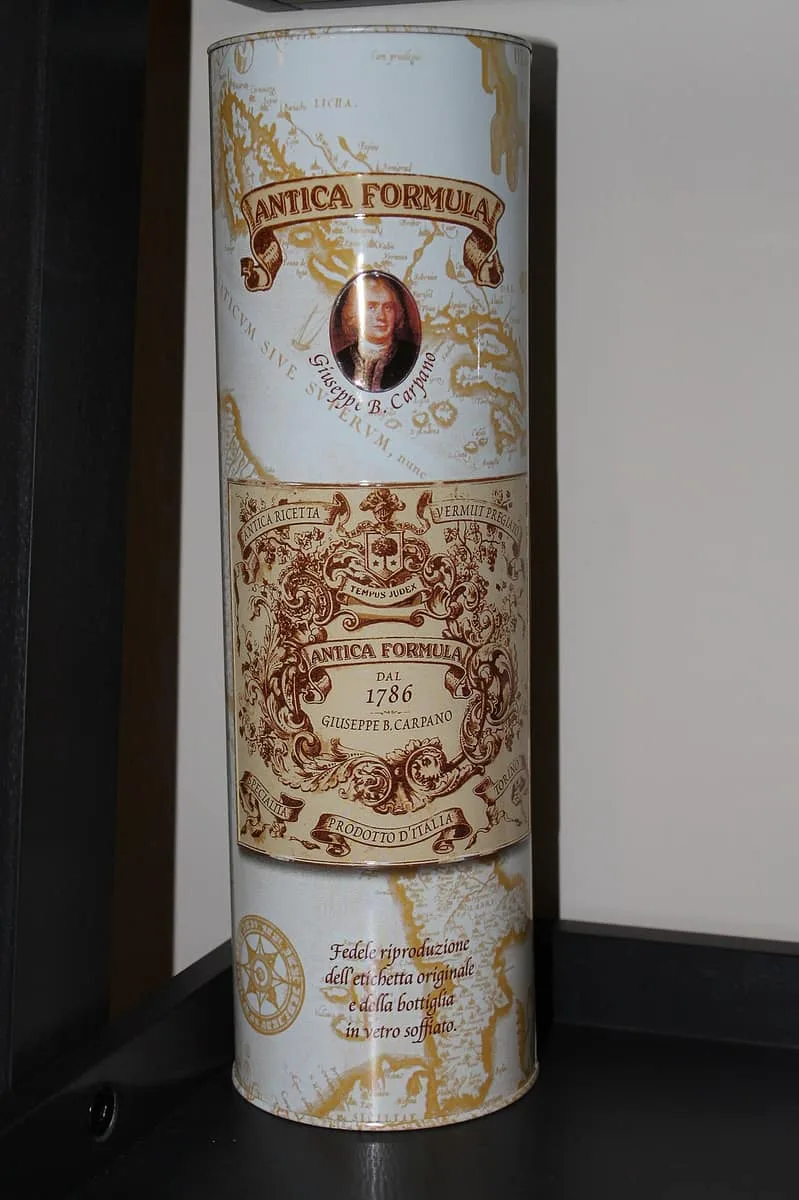
Rojo
Turín
Red · Medium-sweet
Carpano Antica Formula
Carpano
Turín, Italia
- Ageing
- Unaged
Updated June 9, 2026
Re-evaluation pending
Comparative guide
It is not just colour: rosso and bianco answer to different styles, ABVs, and cocktails. A guide to choosing without bar mistakes.
Red vermouth (rosso) is usually semi-sweet or sweet, with wormwood, warm spices, and body for Negroni, Manhattan, or iced aperitif. White can be dry, semi-dry, or sweet: finer herbs, citrus, and less weight in the glass.
In Spain red dominates terrace drinking; in France and Italy dry white defines the Dry Martini.
Red: Negroni, Americano, Boulevardier, Manhattan, Mi-To, vermouth with soda. White: Dry Martini, spritz, vermouth tonic, cold aperitif with soda or prosecco.
To start with classic aperitif, an accessible rosso (Yzaguirre, Martini Rosso). For gin cocktails, a dry or extra dry white (Dolin, Noilly Prat). For Mediterranean spritz, fresh whites (Dolin Blanc, Lustau Blanco).
Turín
Red · Medium-sweet
Carpano
Turín, Italia
El Morell
Red · Reserve · Medium-sweet
Yzaguirre
El Morell, España
VP Score
Jerez
Red · Medium-sweet
Emilio Lustau
Jerez, España
VP Score
Chambéry
White · Medium-sweet
Dolin
Chambéry, Francia
VP Score
Jerez
White · Medium-sweet
Emilio Lustau
Jerez, España
VP Score
Piamonte
White · Sweet
Martini & Rossi
Piamonte, Italia
Red is the social vermouth par excellence in Spain: glass, ice, and conversation. White is the cocktail bartender's tool: Martini, spritz, and drier aperitifs. Ideally keep a rosso for aperitif and a dry/white for gin; if buying only one, choose whether you drink more on the terrace (red) or mix with gin and sparkling (white).
Almost always sweeter than a dry white, but there are semi-dry rossi and sweet whites. Read the label: semi-sweet, dry, extra dry.
Not in the classic Dry Martini. A Perfect Martini blends red and white, but that is a different recipe.
See the example blocks in this guide and the linked profile for each reference.