Rojo
El Morell
Red · Reserve · Medium-sweet
Yzaguirre Rojo Reserva
Yzaguirre
El Morell, España
- Ageing
- Barrel-aged
Review February 28, 2026
7.0 /10
VP Score
Comparative guide
Two neighbouring traditions with much in common — aromatised wine, aperitif, ice — but distinct identities in the cellar, botanicals, and drinking culture.
Italy is the birthplace of modern vermouth (Turin, eighteenth century) and maintains designations such as Vermouth di Torino. Spain developed its own school, especially in Reus, Tarragona, Jerez, and Barcelona, with century-old cellars and a deeply rooted «fer un vermut» culture.
Classic Italian vermouth tends to highlight wormwood bitterness, alpine herbs, and balance for cocktails (Negroni, Americano, Martini). Spanish vermouth embraces more cellar variation: Jerez soleras, barrels, Catalan mistelas, and Mediterranean botanicals, with semi-sweet reds very present in social aperitif.
In Italy, cold aperitivo, spritz, and bar cocktails predominate. In Spain, afternoon vermouth — with ice, an orange slice, or olives — is a ritual almost as important as the recipe itself.
El Morell
Red · Reserve · Medium-sweet
Yzaguirre
El Morell, España
VP Score
Badalona
Red · Reserve · Medium-sweet
Perucchi
Badalona, España
VP Score
Reus
Red · Medium-sweet
Miró Vermouth
Reus, España
VP Score
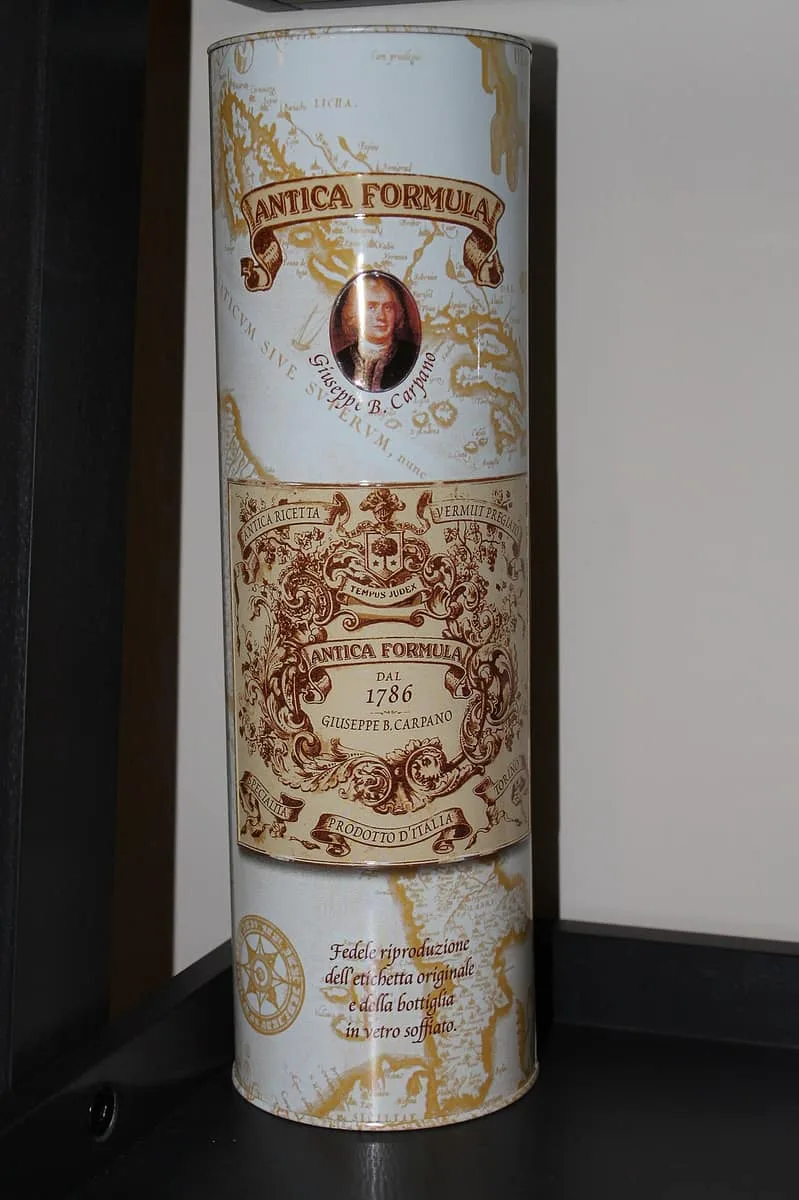
Turín
Red · Medium-sweet
Carpano
Turín, Italia
Piamonte
Red · Sweet
Martini & Rossi
Piamonte, Italia
Piamonte
Red · Sweet
Cocchi
Piamonte, Italia
There is no «better» country: it depends on the moment. For classic international cocktails, the Italian school (Carpano, Cocchi, Martini) remains the reference. For gastronomic aperitif, terraces, and solera or barrel expressions, Spanish vermouth (Yzaguirre, Perucchi, Miró, Lustau) offers its own personality and an excellent rapport with Mediterranean cuisine. The ideal is to explore both: an Italian rosso for Negroni and a Spanish reserve for a long glass on Sunday.
Not always. There are semi-sweet, dry, and reserve styles in both countries. The difference lies more in base wine, ageing, and botanicals than in systematic sweetness.
Yes, with nuances. Try Perucchi Gran Reserva or Yzaguirre Reserva: they work, but the profile will be less Turin-bitter and more Iberian cellar character.
Consult the guides to the best Spanish and Italian vermouths, with updated rankings and linked profiles.