Jerez
White · Medium-sweet
Lustau Vermut Blanco
Overall impression
Lustau Vermut Blanco is the first white vermouth in Jerez history, according to the winery: «Take a walk on the white side», because there is life beyond red. Made in the Marco de Jerez by Emilio Lustau from a blend of Fino—dry, mineral and almondy—and Moscatel—floral and citrus—with two years' stated ageing and 15% vol. in 75 cl. Nine selected botanicals—wormwood, chamomile, rosemary, gentian, sage, coriander, orange peel, thyme and marjoram—are macerated separately before integration into the Jerez base, a technique Lustau documents on its official blog. For Vermutpedia, it represents the reference Andalusian white vermouth: a drier, more bitter profile than the white style average, elegant and very gastronomic, with Fino soul and Moscatel floral sweetness. Sibling to Lustau Rojo, Dry and Rosé within the Sherry Vermouth range recovering Jerez vermouth tradition with house wines as the main ingredient. Lustau defines it as a «seductive, characterful and deliciously refreshing» vermouth for palates seeking a drier, more bitter drink than commercial white average; the first Marco de Jerez white with its own identity against imported Italian or French whites.
Nose and palate
The official lustau.es sheet describes intense yellow with golden reflections and a floral, citrus and herbaceous profile, with almond notes and a subtle mineral background on the yeasty Fino base. On the palate it is deliciously light and refreshing, with a markedly bitter, dry finish where Fino notes prevail—tension between Moscatel sweetness and botanical bitterness defining Lustau Blanco identity. The nine botanicals add layers without excessive density: aromatic, slightly bitter chamomile, Mediterranean rosemary, wormwood as the through-line. Silky texture, balanced passage between semisweet and dry bitterness, long, nutty and refreshing finish. Compared with sweeter Italian white vermouths, Lustau Blanco bets on relative dryness and Jerez character; against Lustau Dry—salty Manzanilla from Sanlúcar—it offers greater floral and citrus roundness. A vermouth for palates seeking white with Andalusian personality, not generic bar white. Lustau's official blog details separate maceration of each botanical—a technique maximising extraction of wormwood, gentian and chamomile—and final blend on two-year-aged Fino and Moscatel. The result is a Jerez white with yeasty tension, Moscatel florality and persistent dry bitterness inviting Mediterranean aperitif.
How to serve it
Lustau recommends the Blanco as the ideal companion to the «sacred ritual of the aperitif»: neat, in a wide glass with ice and green olive—service that enhances florality, citrus and bitter finish. Seductive, characterful and deliciously refreshing, to accompany all kinds of tapas and Mediterranean appetisers. Also works very well in white cocktails: spritz, white Martini and mixed drinks where a Jerez vermouth brings almond tension without excess sweetness. Serve very cold, between 6 and 8 °C; ice opens herbs without dissolving Fino structure. Pairs with cockles, olives, preserves and fresh cheeses. Less geared to indulgent drinking than Lustau Rojo; more versatile than Dry for aperitifs seeking some floral body. For Vermutpedia, the Blanco is the Jerez option for anyone wanting a dry-bitter, elegant, gastronomic white documented on lustau.es. The sheet recommends accompanying «all kinds of tapas and appetisers»; it combines with cockles, Iberian ham and salty preserves thanks to Fino's mineral background. In white cocktails it replaces neutral vermouths when almond, bitterness and Jerez freshness are wanted without residual sweetness.
Production context
Emilio Lustau makes Vermut Blanco in Jerez (Andalusia) with a Palomino base—dry, mineral, almondy Fino—and Moscatel—floral, citrus—nine separately macerated botanicals, fortification and 15% vol. Jerez Dulce category with dry-bitter organoleptic profile; two years' stated ageing. Part of the Sherry Vermouth range alongside Rojo, Dry and Rosé. Lustau recovers the tradition of making vermouth with Jerez wine as the main ingredient, selecting wines and botanicals to show the essence of the Marco. For Vermutpedia, the Blanco synthesises pioneering Jerez white vermouth: Fino, Moscatel, nine herbs and bitter-dry finish verifiable at lustau.es/tienda/vermut-de-jerez/vermut-blanco/vermut-lustau-blanco/. Emilio Lustau, historic Andalusian winery, recovers vermouth as a quality category with Jerez wine as main ingredient; the Blanco shares philosophy with Rojo, Dry and Rosé of the Sherry Vermouth collection. Contains sulphites; 75 cl, Jerez category. Separate botanical maceration before final blend on Palomino and Moscatel base. According to lustau.es/en/our-collection/vermut/, the aim is to show the essence and complexity of Jerez wines in each vermouth modality of the house.
Discover more
More from Emilio Lustau
View all (4) →Jerez
Red · Medium-sweet
Lustau Vermut Rojo
Emilio Lustau
Jerez, España
- Ageing
- Solera
VP Score
- Peñín:
- 90
Sanlúcar de Barrameda
White · Extra dry
Lustau Vermut Dry
Emilio Lustau
Sanlúcar de Barrameda, España
- Ageing
- Unaged
VP Score
Jerez
Rosé · Medium-sweet
Lustau Vermut Rosé
Emilio Lustau
Jerez, España
- Ageing
- Unaged
VP Score
More from Jerez
Jerez
Red · Reserve · Artisan · Medium-sweet
Roberto Amillo Reserva Especial
Roberto Amillo
Jerez, España
- Ageing
- Solera
Jerez
Red · Medium-sweet
Lustau Vermut Rojo
Emilio Lustau
Jerez, España
- Ageing
- Solera
VP Score
- Peñín:
- 90
Jerez
Red · Medium-sweet
Vermouth Valdespino
Grupo Estévez (Valdespino)
Jerez, España
- Ageing
- Barrel-aged
Jerez
Red · Sweet
Canasta Vermouth
Williams & Humbert
Jerez, España
- Ageing
- Solera
VP Score
- Int. Challenge:
- 9.5
Same type and style — White · Medium-sweet
Segovia
White · Artisan · Medium-sweet
Vermú Premium Garciani
Garciani
Segovia, España
- Ageing
- Unaged
Úbeda
White · Artisan · Medium-sweet
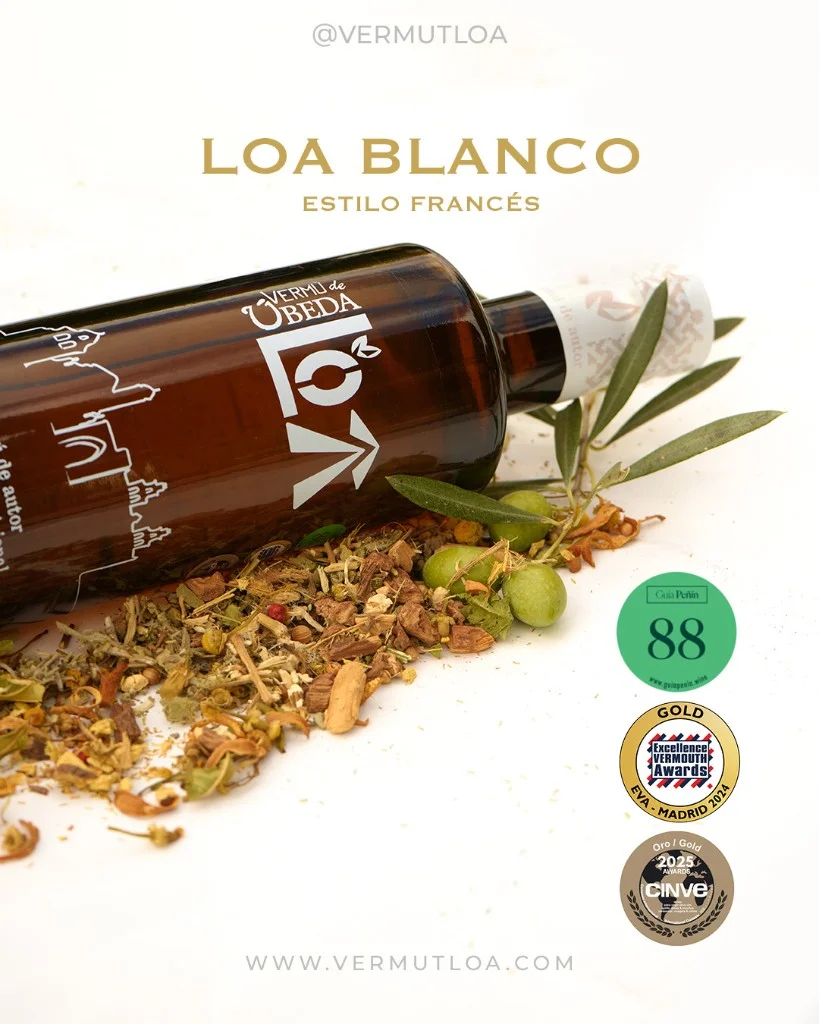
Vermut LOA Blanco
Vermut LOA
Úbeda, España
- Ageing
- Unaged
VP Score
- Peñín:
- 88
Muro de Alcoy
White · Reserve · Artisan · Medium-sweet
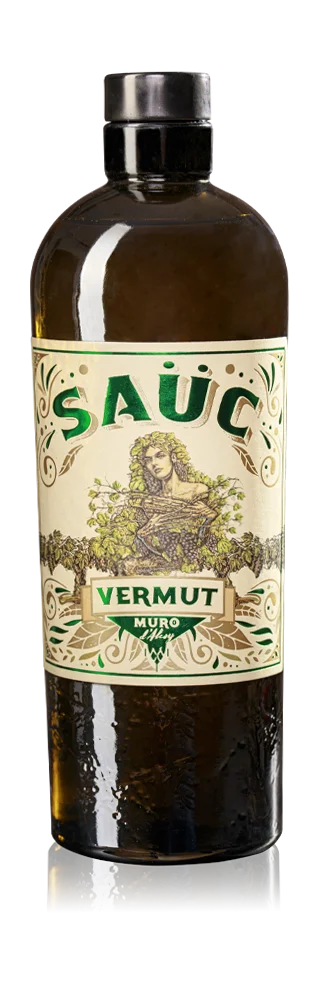
Vermut Saüc Blanco
Celler La Muntanya
Muro de Alcoy, España
- Ageing
- Barrel-aged
VP Score
Country guide
The best Spanish vermouths
More than four hundred Spanish references tasted: the ranking orders the best bottles from each region by Vermutpedia Score, from Reus to the Basque Country.
View España ranking →