Chambéry
Red · Sweet
Boissière Sweet
Vermutpedia Score: 7.6/10
Overall impression
Boissière Sweet is the sweet rosso of the historic Boissière house: the same secret 1857 recipe as Extra Dry, originally developed in Chambéry (Savoy) and today made in Turin since 1971 without modifying the formula, according to Palm Bay International. The proprietary blend —wine-based distillate infused with botanicals from France and Italy— defines a red vermouth of the special «Rosso» quality that the Mont Blanc region has cultivated since the eighteenth century. For Vermutpedia, Boissière Sweet represents the reference sweet Savoy vermouth in classic cocktail bars: Manhattan, Negroni, Boulevardier and Americano, with the Franco-Italian heritage of the two historic capitals of vermouth. The profile combines floral and herbaceous aromas with integrated sweetness, cocoa and spice on the finish. 18% vol., 75 cl bottle. Sibling to Boissière Extra Dry in a range that has scored 90+ in international competitions and whose label cherubs guard the house secret.
Nose and palate
Palm Bay and official distributor documentation describe a rosso with aromas opening on clean flowers, marjoram, coriander, citrus, chamomile, biscuit notes, clove, herbs and nutmeg nuances. On the palate, flavour follows the nose articulately, with well-integrated sweetness that never cloys, and a fresh, lean finish that gives way to cocoa and black pepper. Documented botanicals include marjoram, chamomile, coriander and clove, infused in the wine distillate that aromatises the base wine; caramelised sugar adds colour and characteristic rosso sweetness. Compared with more bitter Italian vermouths or with the Extra Dry from the same house, Sweet bets on spiced roundness and the warmth of patisserie spices. A sophisticated, complex profile versatile enough for solo aperitivo, over ice, or as an essential ingredient in cocktails where sweetness must balance bitter and the strength of whisky or gin.
How to serve it
Boissière Sweet is designed for classic cocktail bars and continental aperitivo. Palm Bay recommends it in Manhattan, Negroni, Boulevardier and Americano, where its integrated sweetness and spiced profile balance gin, whisky or bitter without dominating the glass. It also works neat, over ice with a lemon twist, or in long drinks with soda, tonic or lemonade —options the house suggests to enjoy its complexity outside the bar. Serve between 8 and 12 °C in a cocktail glass or wide tumbler; cold temperature preserves finish freshness without sacrificing spice warmth. Pairs with olives, semi-cured cheeses, charcuterie and Mediterranean aperitivos. For Vermutpedia, Boissière Sweet is the trusted choice for those seeking an authentic Savoy rosso in Negroni and Manhattan, with Chambéry-Turin heritage and the unaltered 1857 recipe that distinguishes the brand from industrial alternatives.
Production context
Boissière Vermouth was founded in 1857 in Chambéry (Savoy, France), a historic vermouth region alongside Turin. In 1971 production moved to the Italian side of Mont Blanc, to Turin (Piedmont), preserving the original recipe. Sweet is made with wine-based distillate infused with botanicals —marjoram, chamomile, coriander, clove— and caramelised sugar for rosso colour and sweetness. 18% vol.; historic Savoy «Rosso» style. Two-reference range: Extra Dry and Sweet, both with recognition from Wine Enthusiast, New York International Spirits Competition and Ultimate Spirits Challenge. The brand notes that both styles can be enjoyed as aperitivo, neat or on the rocks, as well as in classic and contemporary cocktails. For Vermutpedia, Boissière Sweet synthesises sweet Savoy rosso vermouth: Chambéry-Turin, 1857 recipe and botanicals documented at boissiere.com and palmbay.com/spirits/boissiere-vermouth/.
Discover more
More from Boissière
View all (2) →More from Chambéry
Chambéry
White · Medium-sweet
Comoz Vermouth Blanc
Comoz (Dolin)
Chambéry, Francia
- Ageing
- Unaged
VP Score
Chambéry
Red · Medium-sweet
Dolin Vermouth Rouge
Dolin
Chambéry, Francia
- Ageing
- Unaged
VP Score
Chambéry
White · Medium-sweet
Dolin Vermouth Blanc
Dolin
Chambéry, Francia
- Ageing
- Unaged
VP Score
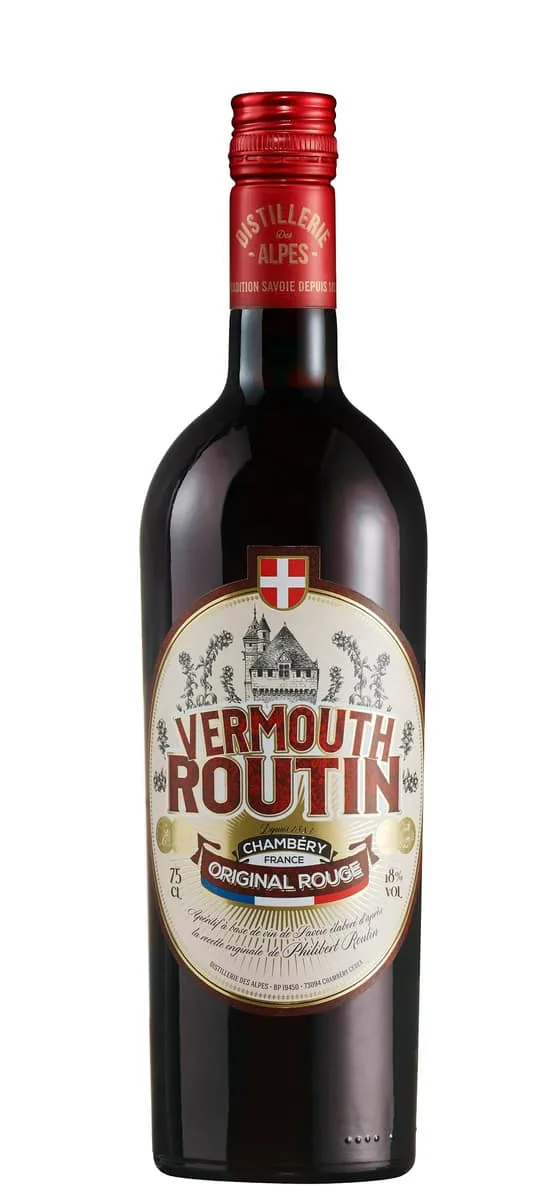
Chambéry
Red · Artisan · Medium-sweet
Routin Vermouth Rouge Original
Distillerie des Alpes
Chambéry, Francia
- Ageing
- Barrel-aged
VP Score
Same type and style — Red · Sweet
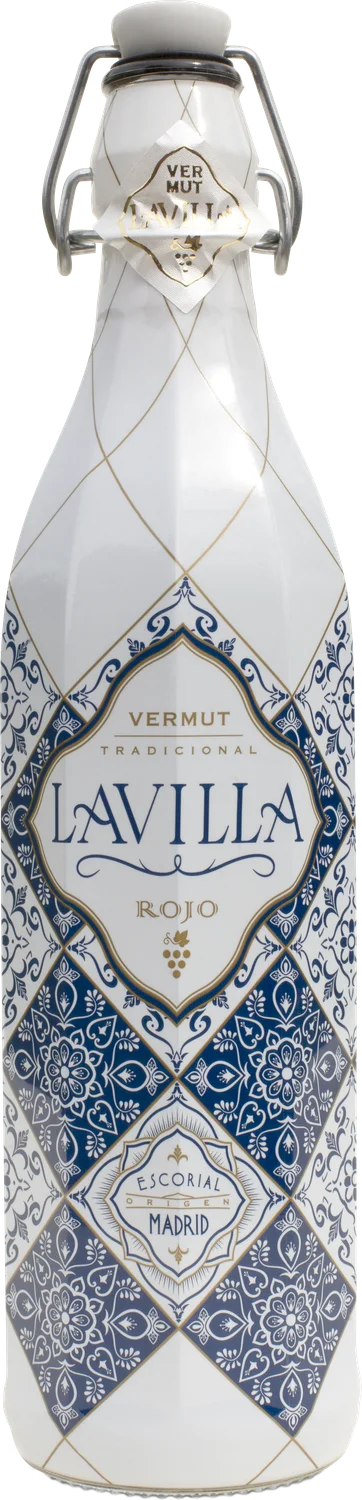
El Escorial
Red · Artisan · Sweet
Vermut La Villa
La Tomata Origen
El Escorial, España
- Ageing
- Barrel-aged
VP Score
Navarra
Red · Reserve · Artisan · Sweet
Vermouth Gran Reserva Conde de Artoiz
Bodegas Familia Escudero
Navarra, España
- Ageing
- Barrel-aged
VP Score
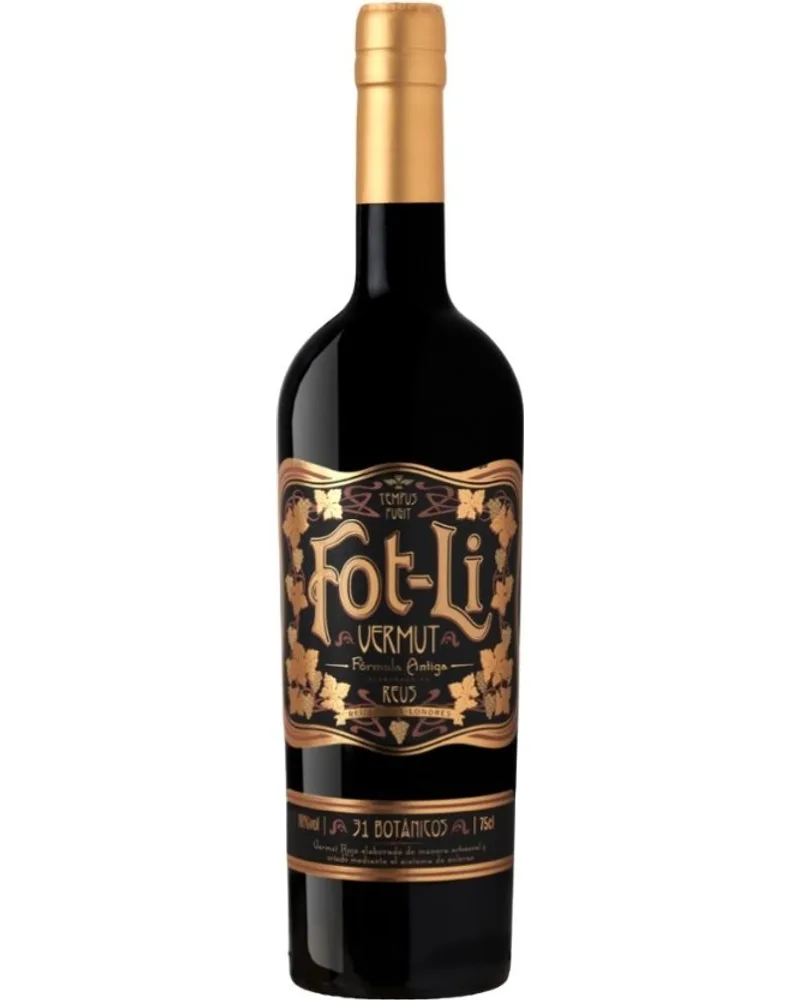
Reus
Red · Reserve · Artisan · Sweet
Fot-Li Fórmula Antiga
Alegre Wines & Spirits
Reus, España
- Ageing
- Solera
VP Score
Country guide
The best French vermouths
Dry Chambéry, Alpine rouge, and author projects: ranking of French vermouths with a published score. Quinquinas and quinados have separate profiles.
View Francia ranking →