Styles
Red, white and dry vermouth: the differences
Colour, sweetness and serving style: how to tell rosso, bianco and dry apart, read the label and pick the right style.
Three families, one concept
They are all vermouth: wine aromatised with botanicals. What changes is the sugar profile, colour and, consequently, how each is used in the glass or behind the bar. Reading red, white or dry on the label is not enough: you should also check the sugar style (Extra Dry, Semi-sweet, Sweet and so on) recorded on every Vermutpedia profile.
If you need the general definition of the product, start with what vermouth is.
Sugar classification (European Union)
A white vermouth can be semi-sweet; a dry vermouth can be technically white or colourless. Colour and sweetness are independent axes.
| Style | Grams of sugar / litre |
|---|---|
| Extra dry | ≤ 30 g/l |
| Dry | ≤ 50 g/l |
| Semi-dry | 50–90 g/l |
| Semi-sweet | 90–130 g/l |
| Sweet | > 130 g/l |
Red vermouth (rosso)
Vermutpedia profiles include Corona de Aragón Vermouth Tinto, a Cariñena classic rated 9.0/10; Falset Negre des de 1912, a caramel-free Priorat cooperative vermouth; and Vermut Saüc Rojo, an artisan barrel-aged vermouth from Alicante rated 8.6/10.
- Colour: amber, mahogany or ruby (often with caramel E150d).
- Sugar: usually semi-sweet or sweet (more than 50 g/l in many cases).
- Profile: spiced, herbal and sometimes bitter, with peel and herb notes.
- Use: aperitif with ice and orange, Americano, Negroni, Mi-To.
Common cocktails with rosso
- Negroni — semi-sweet rosso is essential.
- Americano — balances bitter and soda.
- Manhattan — adds sweetness and herbal character to whiskey.
White vermouth (bianco)
Do not confuse bianco with dry: a bianco may have moderate sweetness. Two contrasting Spanish examples are Vermut Saüc Blanco, floral and botanical from the Sierra de Mariola, and Vermut LOA Blanco, a signature vermouth from Jaén with a lighter, more citrus-led profile.
- Colour: straw, pale gold or colourless.
- Sugar: usually semi-dry or semi-sweet; some white vermouths are more aromatic than dry.
- Profile: floral and citrus, sometimes with vanilla or almond; less caramel than red.
- Use: cold aperitif, spritz with prosecco, light mixed drinks.
Dry and extra dry vermouth
The French Chambéry school — Dolin and Routin — and the dry vermouth of Piedmont are historic references. To explore the Alpine centre of the style, see our Chambéry vermouth guide.
- Sugar: dry (≤50 g/l) or extra dry (≤30 g/l) under EU rules.
- Profile: herbal, clean, wormwood bitterness more present.
- Use: Dry Martini, Gibson, glass rinse, cocktails that call for dryness.
Rosé vermouth (rosato)
Less widespread than red and white, rosato is increasingly common among artisan wineries. Its profile sits between them: some red fruit, herbal character and often semi-sweet. It works in spritzes and terrace aperitifs when you want freshness without the weight of a classic rosso.
How to choose for the occasion
| You need… | Style | Catalogue example |
|---|---|---|
| Sweet-bitter terrace aperitif | Semi-sweet red | Corona de Aragón |
| Reserve for slow sipping | Barrel-aged red | Falset Reserva |
| Spritz or refreshing glass | White | Saüc Blanco |
| Dry Martini or Gibson | Dry / extra dry | Chambéry guide |
| Classic Negroni | Red (not dry) | Vermut LOA Rojo |
Next step
Learn how to serve it, compare Spanish vs Italian vermouth or explore the catalogue by type.
In the catalogue
Referenced or representative bottlings for this topic.
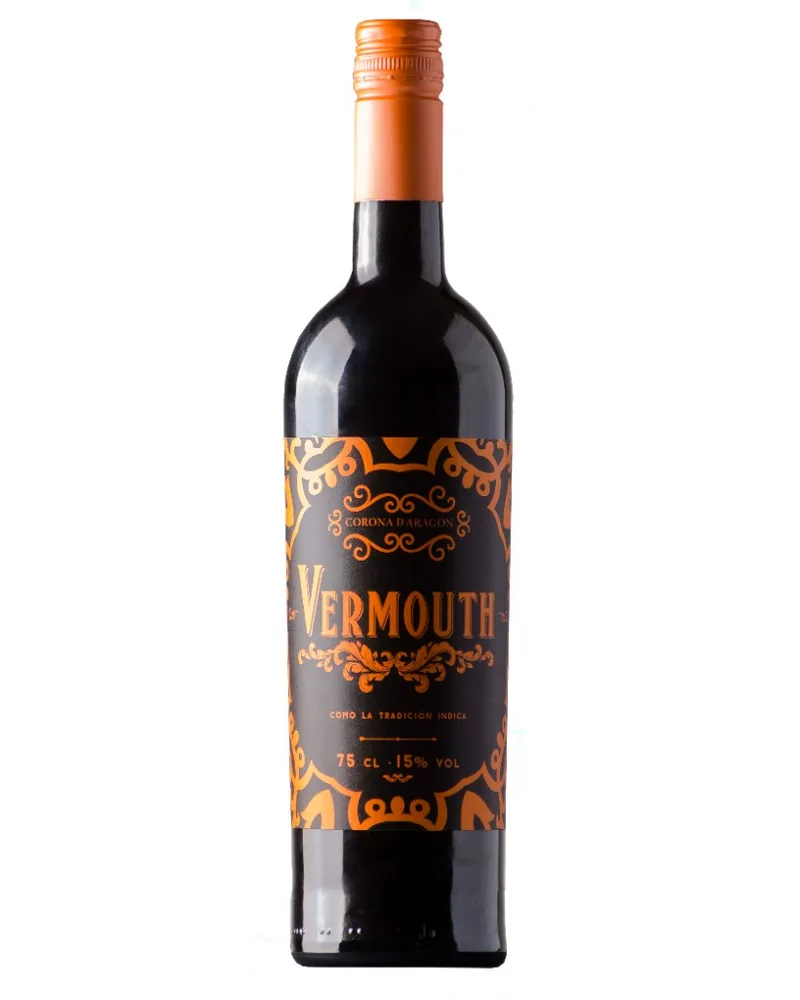
Cariñena
Red · Medium-sweet
Corona de Aragón Vermouth Tinto
Grandes Vinos y Viñedos
Cariñena, España
- Ageing
- Barrel-aged
VP Score
- Peñín:
- 90
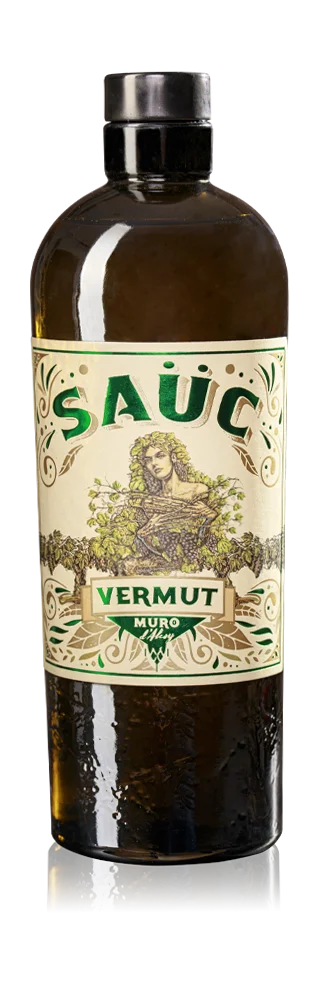
Muro de Alcoy
White · Reserve · Artisan · Medium-sweet
Vermut Saüc Blanco
Celler La Muntanya
Muro de Alcoy, España
- Ageing
- Barrel-aged
VP Score
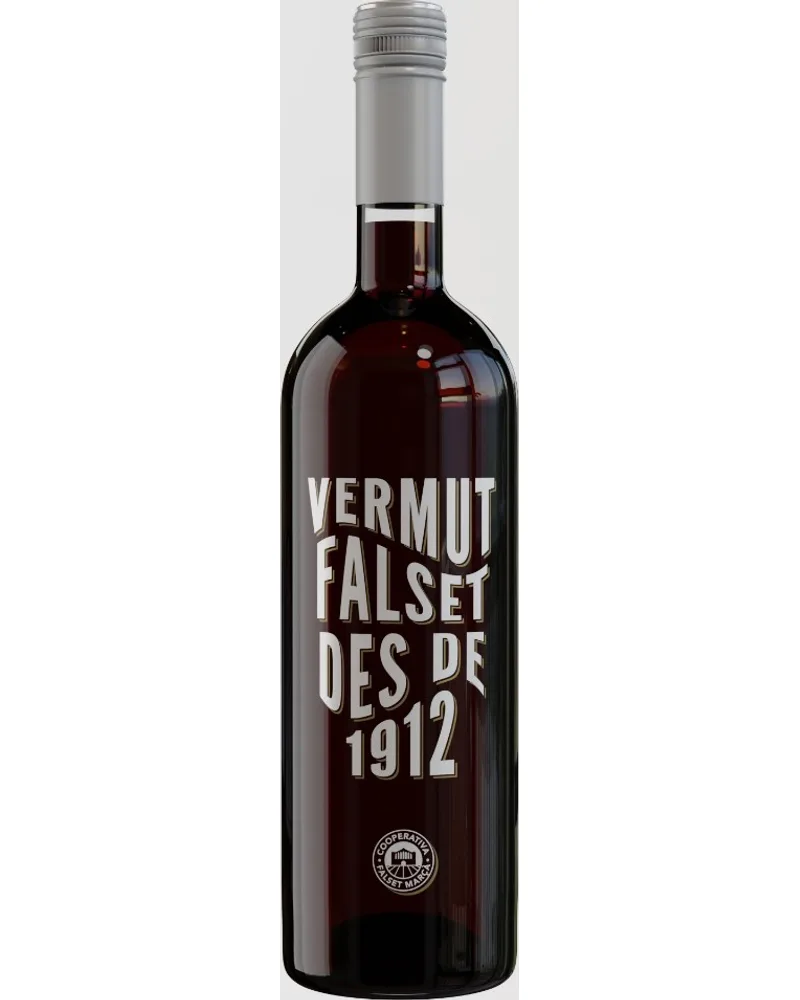
Falset
Red · Artisan · Sweet
Falset Negre des de 1912
Cooperativa Falset Marçà (ÈTIM)
Falset, España
- Ageing
- Barrel-aged
VP Score
Frequently asked questions
Is red vermouth made with red wine?
Often not: many Italian and Spanish rossi use aromatised white wine and caramel colour (E150d). There are exceptions with a red-wine base.
Are dry and extra dry the same?
In commercial practice they often overlap. The EU classifies by grams of sugar per litre: extra dry ≤30 g/l, dry ≤50 g/l.
Which vermouth goes in a Negroni?
Red vermouth, usually semi-sweet or sweet with herbal bitterness. Dry is reserved for Martinis and dry variants.
Can you drink white vermouth as an aperitif?
Yes. Bianco is usually served very cold, neat or in a spritz. It is floral and less spiced than rosso; do not confuse it with dry.
Which vermouth for a dry Martini?
Dry or extra dry vermouth: herbal profile, low sweetness, designed to pair with gin without cloying the glass.