Serving
How to drink vermouth
From the Spanish afternoon vermouth to the Italian aperitivo and Buenos Aires vermouth: temperature, glassware, pairings and recommended references.
Basic serving principles
Before looking at regional traditions, four rules apply almost everywhere:
To choose among red, white and dry styles, see red, white and dry vermouth.
- Very cold — between 4 °C and 8 °C; take the bottle from the fridge immediately before serving.
- Large ice — it melts more slowly; avoid crushed ice during a long aperitif.
- Citrus — an orange slice or lemon twist brings out the botanicals.
- Wide glass — better than a small, narrow glass that concentrates alcohol.
Spain: afternoon vermouth
In Catalonia, Madrid, the Basque Country and Aragon, vermouth is a social ritual: a neighbourhood bar or terrace, a wide glass or highball, plenty of ice, and an orange slice or olive.
- Classic serve: very cold semi-sweet red vermouth, neat or with a splash of soda or siphon (a useful starting ratio is four parts vermouth to one part soda).
- Timing: before lunch or in the afternoon; elaborate cocktail technique is unnecessary.
- Accompaniment: olives, crisps, preserves and light charcuterie.
Bottles suited to this ritual
Find more bottles in the best Spanish vermouth guide.
- Vermouth Vall de Gorgos — Alicante tradition in a one-litre bottle, ideal with orange and ice on a terrace.
- Papatán — an accessible, herbal artisan vermouth from Jaén for an afternoon aperitif.
- La Giganta — a barrel-aged rosso from Valladolid for a slower glass that still welcomes ice.
Italy: aperitivo and spritz
The Italian school favours a cold aperitivo and bar cocktails:
Italian vermouth is woven into a bar culture whose recipes are more codified than Spanish home-style vermouth service. While we reassess the Italian catalogue, see the best Italian vermouth guide for the current ranking.
- Ice and orange with sweet rosso in the Turin or Milan style.
- Spritz: prosecco plus bitter or white vermouth and soda, served in a balloon glass.
- Americano and Negroni as evolutions of the Mi-To in professional bars.
Argentina: porteño vermouth
In Buenos Aires, vermouth has deep Italian migrant roots:
The preferred profile tends to be an accessible rosso, with moderate sweetness and enough presence for simple mixed drinks — much like Vermut Rojo Fariña-Pérez served over ice.
- It is served over plenty of ice, sometimes with siphon or soda, and an orange or lemon garnish.
- It accompanies a picada of cheeses, olives and cured meats.
- Local and imported brands coexist in bars and homes.
Tasting vs bar aperitif
Vermutpedia uses an ice-free tasting protocol for scoring. At home or at the bar, ice remains the aperitif standard.
| Context | Service | Goal |
|---|---|---|
| Bar / terrace | Ice, orange, optional soda | Social and refreshing |
| Tasting / review | Wine glass, no ice, 12–14 °C | Assess aroma and palate |
| Cocktails | Precise measure, mixed with bitter or gin | Balance the recipe |
Storing an open bottle
Once opened, keep vermouth refrigerated and tightly sealed. Contact with oxygen degrades its aromas over days or weeks, depending on style. Reserves and longer-aged vermouths may last slightly longer, but no open bottle should sit on a bar shelf for months.
Read the full guide to storing vermouth once opened.
Next step
Learn more about what vermouth is and vermuteo as a ritual, try the Americano recipe, or browse the catalogue by country and style.
In the catalogue
Referenced or representative bottlings for this topic.
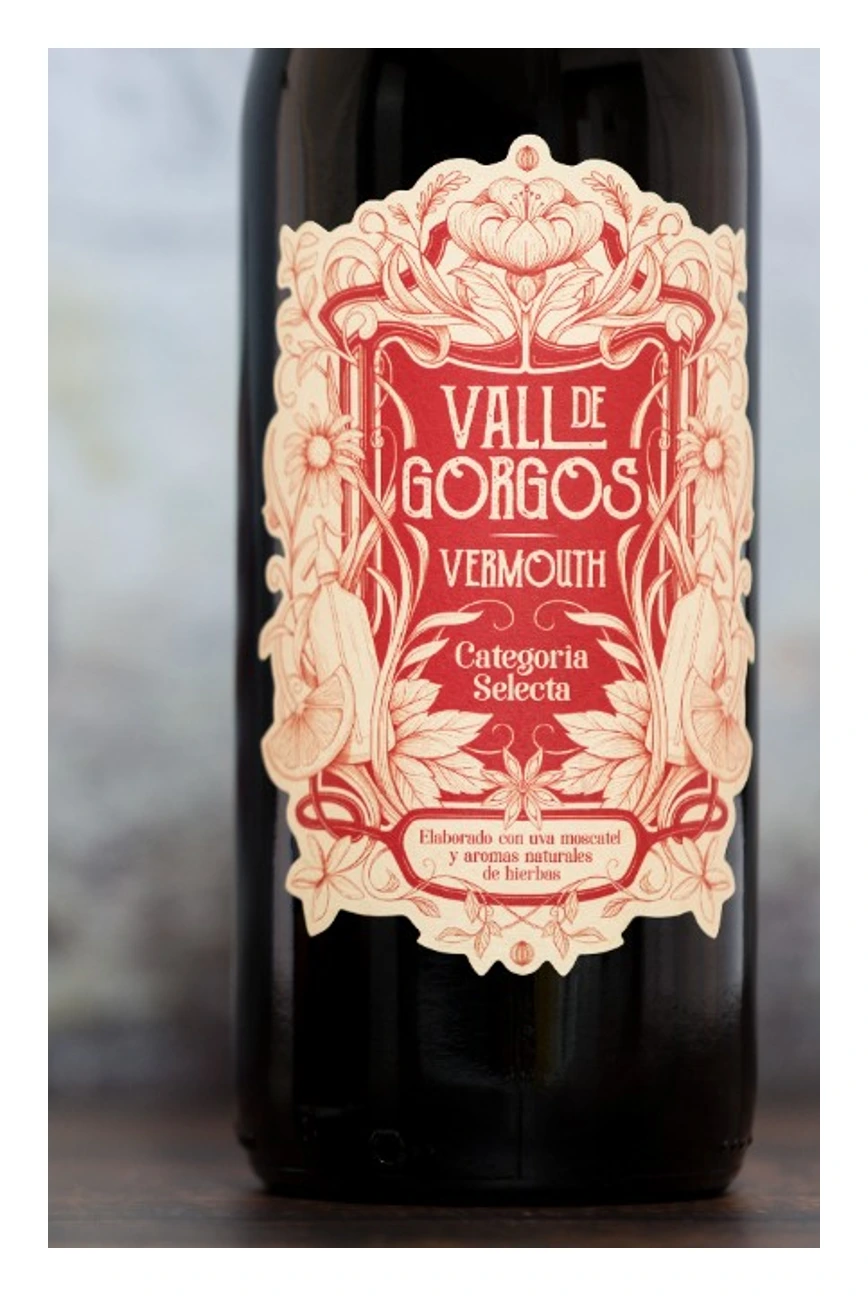
Xaló
Red · Artisan · Medium-sweet
Vermouth Vall de Gorgos
Bodegas Xaló
Xaló, España
- Ageing
- Unaged
VP Score
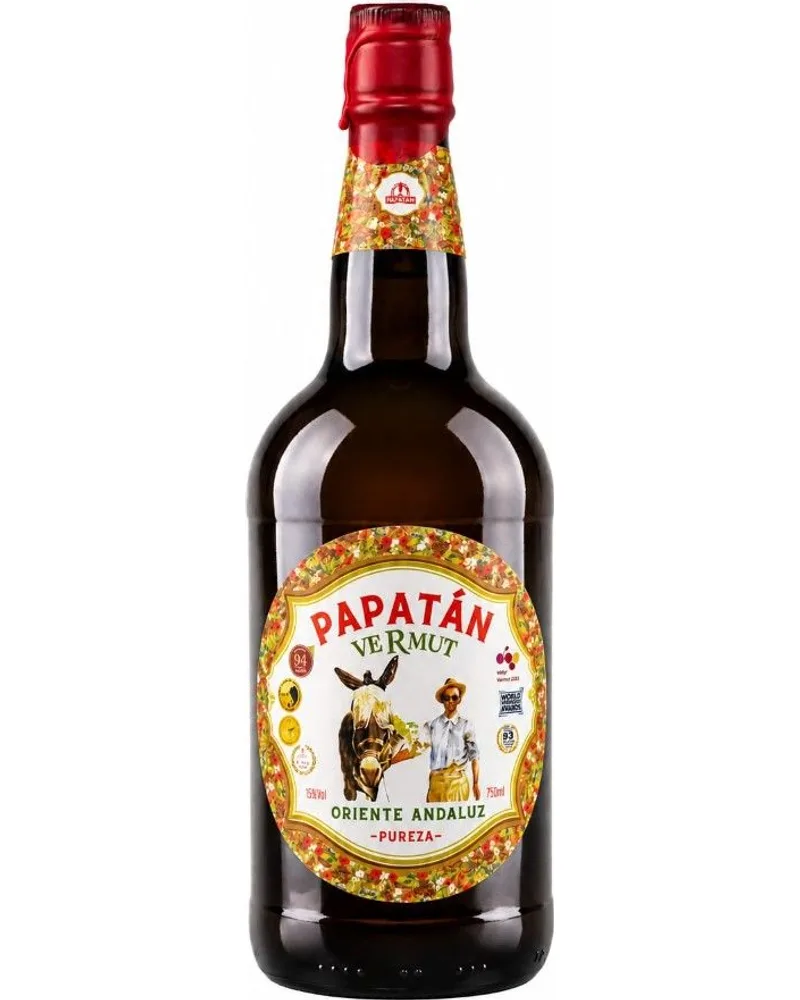
Torreperogil
Red · Artisan · Medium-sweet
Papatán
Vermut Papatán S.L.
Torreperogil, España
- Ageing
- Unaged
VP Score
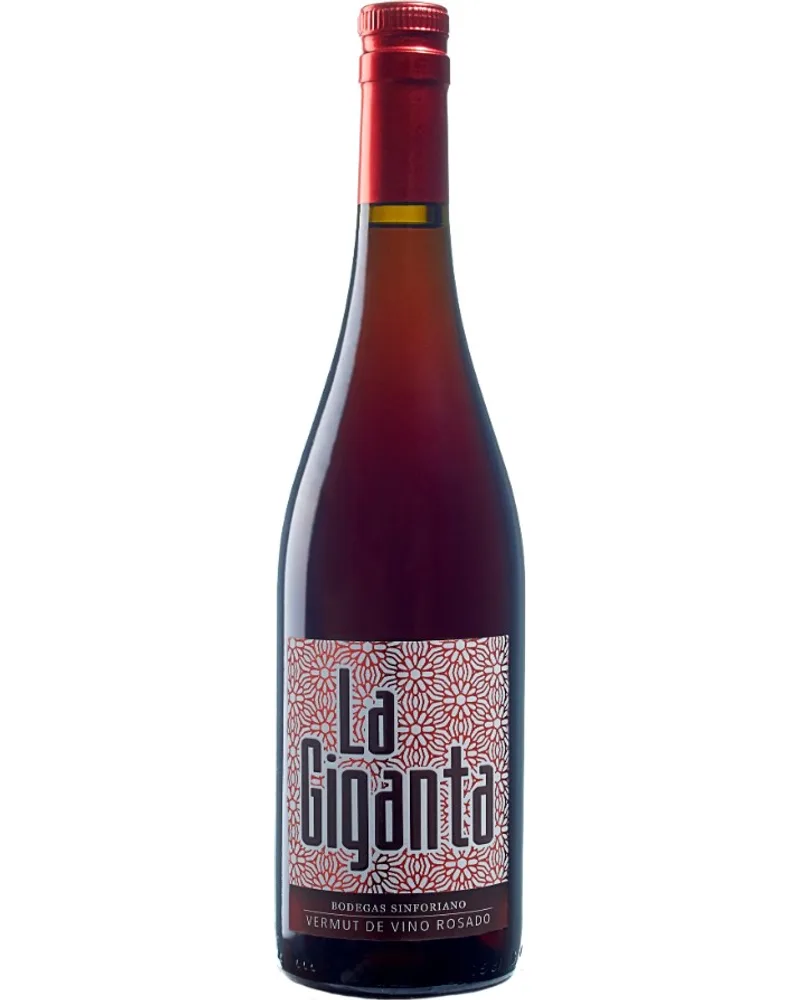
Mucientes
Red · Artisan · Medium-sweet
La Giganta
Bodegas Sinforiano
Mucientes, España
- Ageing
- Barrel-aged
VP Score
Frequently asked questions
At what temperature is vermouth served?
Very cold: between 4 °C and 8 °C in a wide glass or tumbler. Ice helps maintain temperature without over-diluting if you use large cubes.
With ice or without?
In Spain and Italy ice is almost standard for aperitif service. For pure tasting, a wine glass without ice lets you appreciate aromatic layers.
What do you pair it with?
Olives, crisps, tinned seafood, charcuterie or light tapas. The idea is to extend the social moment, not to have dinner.
Vermouth with soda or neat?
In Spain semi-sweet red is often drunk neat or with a splash of siphon. Soda lengthens the drink without elaborate cocktail technique.
Which glass for vermouth?
Wide tumbler, highball or small wine glass. Avoid narrow glasses that concentrate alcohol. Balloon glass for spritz.