Serving
How to store vermouth once opened
Fridge, tight seal and realistic timelines: how to extend the life of open vermouth without losing aroma or freshness.
Why vermouth oxidises
Vermouth is aromatised wine: once the bottle is open, oxygen comes into contact with the liquid. Over time, volatile aromas such as citrus, flowers and fresh spices disappear, the colour dulls and the profile becomes flatter or more bitter.
It is not a red wine intended for long ageing: in an aperitif, we are looking for freshness. Storing an open bottle correctly therefore makes the difference between a lively glass and a tired drink.
For the serving ritual — temperature, ice and glassware — see how to drink vermouth.
Basic rules (before and after opening)
Unopened bottle
- A cool, dark place — avoid shelves beside the hob or in direct sunlight.
- Store upright — unlike a red wine for ageing, the cork or cap does not need constant contact with the liquid.
- No extreme heat — heat accelerates chemical reactions and degrades the botanicals.
Open bottle
- Always refrigerate — between 4 °C and 8 °C.
- Seal tightly — if the original closure no longer seals, use a vacuum or silicone stopper.
- Minimise the air — oxidation speeds up as the level falls; half-empty one-litre bottles suffer more.
- Drink within weeks, not months — especially white and dry vermouth.
Indicative fridge timelines
There is no single legal rule for shelf life after opening. These figures are guidelines based on bar and tasting practice:
If you mainly use vermouth in cocktails such as a Negroni or Martini, an open bottle may remain acceptable a little longer because the mixture masks subtle changes. For drinking neat, be more demanding.
| Style | Indicative fridge life (well sealed) | Notes |
|---|---|---|
| Dry / extra dry | 1–3 weeks | Herbal freshness fades fast |
| White / bianco | 2–4 weeks | Citrus and floral notes dull soon |
| Semi-sweet red | 3–6 weeks | Sweetness and body hold a bit longer |
| Reserve / aged | 4–8 weeks | More structure; still needs cold |
| Alcohol-free / 0.0% | 1–2 weeks | No alcohol as stabiliser; drink sooner |
Practical tips
- Format: if you drink infrequently, choose 75 cl rather than 1 litre; you finish it sooner and leave less air in the bottle.
- Write the opening date on the label or neck with a marker.
- Do not leave the bottle on the bar at room temperature between serves: put it back in the fridge.
- Vacuum stopper: it helps, but does not replace refrigeration.
- Do not mix batches in one bottle: when you open another, do not top up the old one.
Signs you should discard it
Discard the vermouth, or stop using it for tasting, if you notice:
When in doubt, compare it with a fresh bottle of the same style: the contrast is usually obvious.
- A smell of vinegar, rotten apple or wet cardboard
- A flat, metallic or unpleasantly bitter taste without the usual herbal balance
- Cloudy or very dull colour compared with when the bottle was opened
- Unusual foam or sediment — rare, but a reason not to drink it
Styles and storage
Red vermouth
Semi-sweet rosso is the usual style on Spanish terraces. It keeps relatively well in the fridge thanks to its sugar and body, but after a month open it normally loses vibrancy. Frequently poured bottles such as Yzaguirre Clásico Rojo are best turned over at the pace of a weekly aperitif.
White and dry vermouth
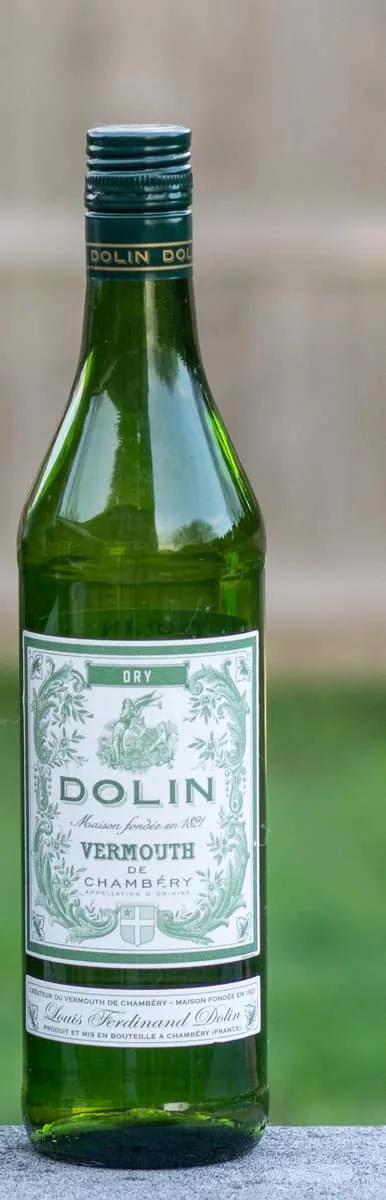
White vermouths and dry styles such as Dolin Dry depend on fresh notes, so they are the first to become tired. If you only use them for the occasional Martini, buy a smaller format or open the bottle only when you expect to finish it within a few weeks.
Reserves and aged vermouth
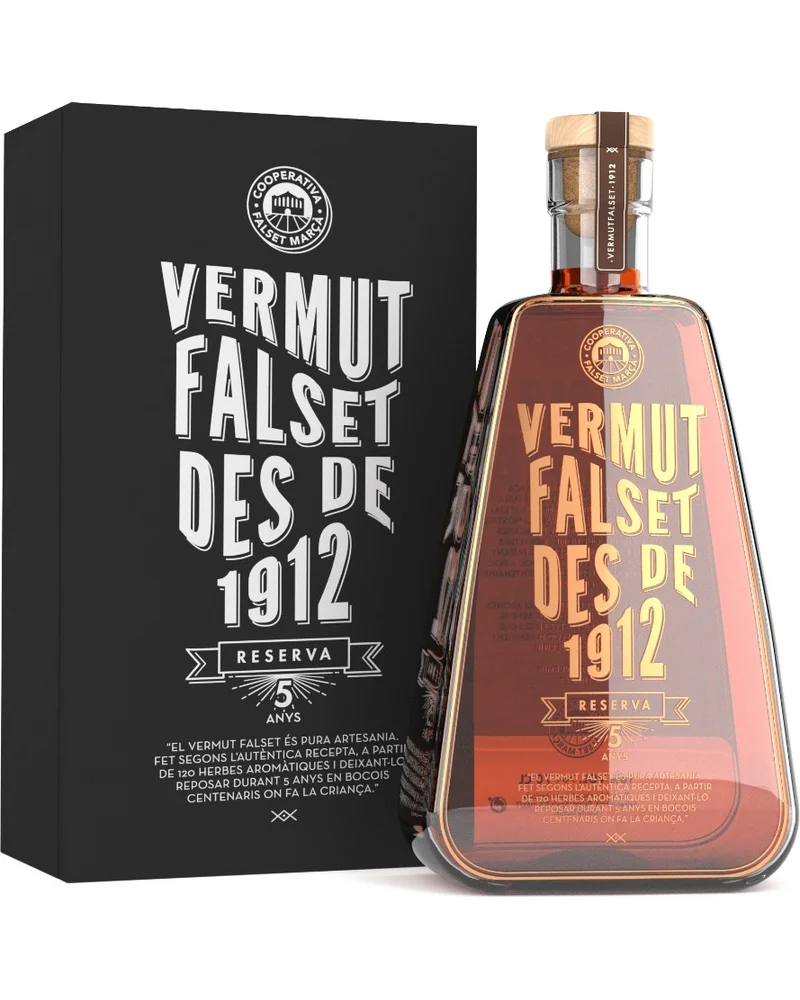
Barrel- or solera-aged reserves such as Falset Reserva have more structure and often last slightly longer after opening, but they are still aromatised wine: refrigerate and seal them. Prior ageing does not make them immune to oxidation at home. Find more context in vermouth ageing.
Common mistakes
| Mistake | Better practice |
|---|---|
| Leaving open bottle on the bar shelf | Fridge after every use |
| Assuming “like sweet wine, it lasts for months” | Drink within weeks; vermouth is not an open solera fortified wine |
| Using dirty ice or a poorly rinsed glass | It contaminates the bottle if leftovers are poured back |
| Opening three bottles at once | Open one; finish it or slow the rate at which you consume bottles |
Next step
Learn how to serve vermouth, choose pairings or explore the Spanish vermouth catalogue.
In the catalogue
Referenced or representative bottlings for this topic.
El Morell
Red · Medium-sweet
Yzaguirre Clásico Rojo
Yzaguirre
El Morell, España
- Ageing
- Unaged
VP Score
Falset
Other · Reserve · Artisan · Sweet
Falset Reserva des de 1912
Cooperativa Falset Marçà (ÈTIM)
Falset, España
- Ageing
- Barrel-aged
VP Score
Chambéry
White · Dry
Dolin Vermouth de Chambéry Dry
Dolin
Chambéry, Francia
- Ageing
- Unaged
VP Score
Frequently asked questions
Should vermouth be kept in the fridge?
Yes, once opened. Cold slows oxidation. Before opening, a cool dark place is enough; after opening, the fridge is the rule.
How long does vermouth last once opened?
Roughly 1 to 6 weeks in the fridge depending on style: dry and lighter whites fade sooner; semi-sweet reds and reserves usually last longer. It is not a fixed legal expiry date.
Can you freeze vermouth?
Not recommended. Alcohol and sugar lower the freezing point, but freeze–thaw cycles alter texture and aromas. Prefer the fridge and drink within weeks.
How do I know if vermouth has gone off?
Flat or vinegary nose, dull colour, flat or unpleasant bitter taste and loss of the herbal profile. If it smells oxidised or like wet cardboard, discard it.
Does unopened vermouth expire?
Unopened, in a cool dark place, it lasts months or years. Sugar and alcohol help stability, but heat and light speed deterioration. Check the bottling date if available.