Serving
Vermouth pairings
From olives to cheese: guide to vermouth pairings, with recommendations by style (red, white, dry) and suggestions for classic and modern tapas.
Principles of pairing with vermouth
Vermouth is a complex aperitif that combines sweetness, herbal bitterness, acidity and alcohol. A good pairing looks for:
The golden rule is that vermouth is the main event and the tapa is its companion. Avoid dishes so forceful that they hide the drink’s profile.
- Contrast — salty, acidic or spicy flavours against sweetness.
- Harmony — complementary notes, such as spice with spice or citrus with citrus.
- Balance — neither the tapa nor the vermouth should dominate.
- Texture — crisp, creamy or fresh, depending on the style.
Pairings by vermouth style
Red vermouth (rosso, semi-sweet/sweet)
Profile: sweet and spicy, often with notes of vanilla and caramel.
| Food | Why it works |
|---|---|
| Marinated olives | Salt and acidity cut through sweetness |
| Charcuterie (chorizo, salchichón, fuet) | Fat and spice echo the vermouth spices |
| Aged cheeses (manchego, idiazábal) | Salty, powerful flavours balance sweetness |
| Oil-packed preserves (tuna belly, anchovies) | Fat and acidity complement the drink |
| Crisps | A simple crisp, salty contrast |
| Croquettes (ham, wild mushroom) | Creamy and salty |
White vermouth (bianco, semi-dry)
Profile: more herbal and citrus-led, with less sweetness than red vermouth.
| Food | Why it works |
|---|---|
| Seafood (shrimp, prawns) | Salty and fresh, with herbal harmony |
| Fish (anchovies, escabeche) | Fresh acidity complements the drink |
| Fresh cheeses (mozzarella, burrata) | Light and milky without competing |
| Salads (tomato, basil) | Fresh acidity refreshes the palate |
| Hummus and crudités | Creamy, vegetal flavours meet herbal notes |
| Bruschetta (tomato, basil) | Fresh acidity and citrus affinity |
Dry vermouth
Profile: dry and herbal, with pronounced bitterness and little or no sweetness.
| Food | Why it works |
|---|---|
| Blue cheeses (Roquefort, Gorgonzola) | Strong and salty enough for the bitterness |
| Anchovies | Intense saltiness creates an extreme contrast |
| Nuts (almonds, walnuts) | Crunch and fat add texture |
| Cold tapas (escabeche, carpaccio) | Fresh acidity |
| Oysters | A striking saline and mineral harmony |
Classic Spanish pairings
The vermuteo tradition has established combinations that reliably work:
| Classic | Description | Recommended vermouth |
|---|---|---|
| La bandera | Olives + crisps + stuffed olives | Classic red |
| Boquerones en vinagre | Fresh fish with vinegar | White or dry |
| Russian salad | Mayonnaise, vegetables, potato | Semi-sweet red |
| Spanish tortilla pincho | Egg, potato, onion | White or light red |
| Grilled artichokes | Vegetal, toasted, bitter | Herbal white |
| Cheese with quince paste | Sweet and salty | Reserve red |
| Ham croquettes | Creamy, salty, umami-rich | Red or white |
Seasonal pairings
Summer (fresh and light)
- Gazpacho — cold, vegetal and acidic. White vermouth.
- Caprese salad — tomato, mozzarella and basil. White vermouth.
- Ceviche — citrus-cured fish. Dry vermouth.
- Melon with ham — sweet and salty. Light red vermouth.
- Garlic prawns — spicy and rich. White vermouth.
Winter (comforting and robust)
- Assorted charcuterie — a board of cured meats. Red vermouth.
- Aged cheese with walnuts — powerful flavour and texture. Reserve red.
- Mushroom croquettes — creamy and umami-rich. White vermouth.
- Patatas bravas — spice and sauce. Red vermouth.
- Galician-style octopus — tender and salty. White vermouth.
What to avoid
- Very spicy dishes — they mask the vermouth’s profile.
- Powerful sauces such as barbecue or curry — they compete instead of complementing.
- Very sweet desserts — vermouth already contains sweetness, so the combination becomes cloying.
- Fatty fried fish — too heavy and lacking freshness.
- Very soft cheeses — they dissolve on the palate and provide little contrast.
Pairing by occasion
Informal aperitif (bar or home)
- Quick and easy — crisps, olives and stuffed olives.
- To share — a cheese and charcuterie board.
- Recommended vermouth — classic red or a versatile white.
Elegant dinner
- Sophisticated — carpaccio, tartare or gourmet bruschetta.
- Recommended vermouth — reserve, gran reserva or premium dry.
Large gathering
- Finger food — skewers, mini croquettes and canapés.
- Recommended vermouth — a versatile bottle that is neither very sweet nor very dry.
Quick pairing table
| If you have… | Choose… |
|---|---|
| Classic red | Olives, cured meats, aged cheeses |
| Red reserve | Aged cheese, dried fruits, dark chocolate |
| Herbal white | Seafood, fish, salads |
| Dry white | Fresh cheeses, hummus, crudités |
| Dry vermouth | Blue cheese, anchovies, oysters |
Practical examples
Option 1: Spanish classic
- Vermouth: Casa Valdepablo Vermut or Yzaguirre Clásico Rojo
- Tapas: marinated olives, crisps, boquerones en vinagre and a tortilla pincho
- Why: balanced, traditional and consistently reliable
Option 2: Modern Mediterranean
- Vermouth: Calla i Beu Rojo or an Italian white
- Tapas: tomato and basil bruschetta, hummus and garlic prawns
- Why: fresh and summery, with citrus notes
Option 3: Elegant reserve
- Vermouth: Vermut La Villa
- Tapas: aged cheese board, nuts and quince paste
- Why: slow tasting and a sophisticated pairing
Option 4: Intense dry
- Vermouth: Dolin Dry or Noilly Prat
- Tapas: anchovies, blue cheese and oysters
- Why: an extreme contrast for a demanding profile
Next step
Explore the Spanish vermouth catalogue, discover how to drink vermouth, learn about vermuteo and storing an open bottle, or delve into the history of vermouth.
In the catalogue
Referenced or representative bottlings for this topic.
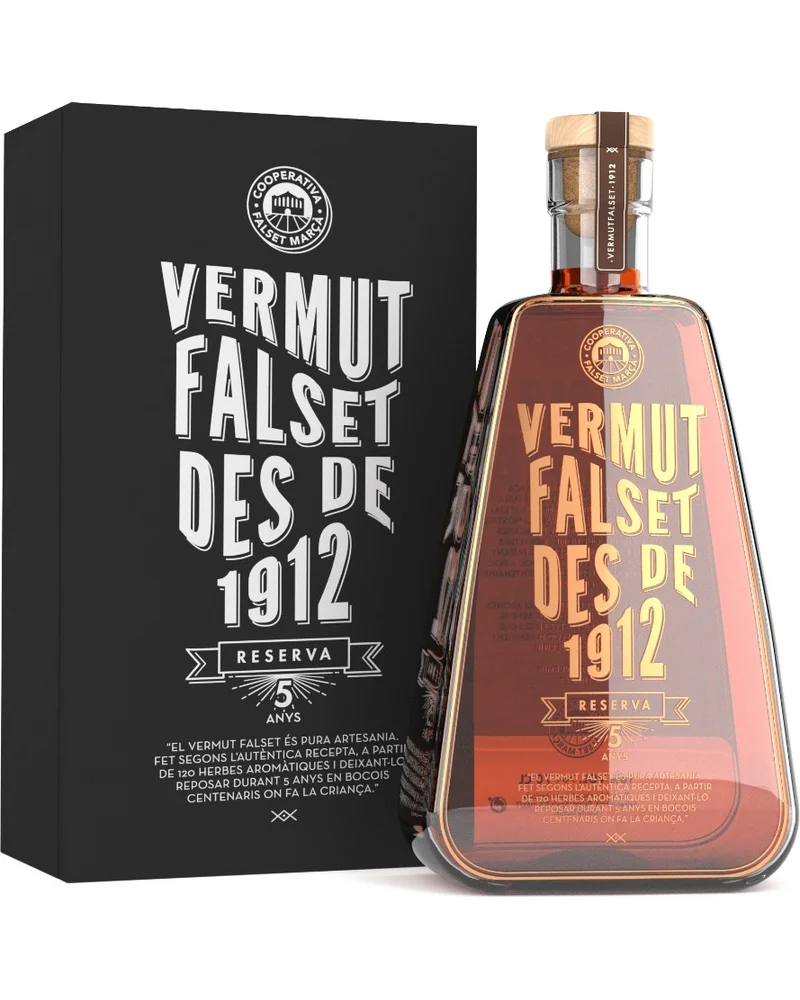
Falset
Other · Reserve · Artisan · Sweet
Falset Reserva des de 1912
Cooperativa Falset Marçà (ÈTIM)
Falset, España
- Ageing
- Barrel-aged
VP Score
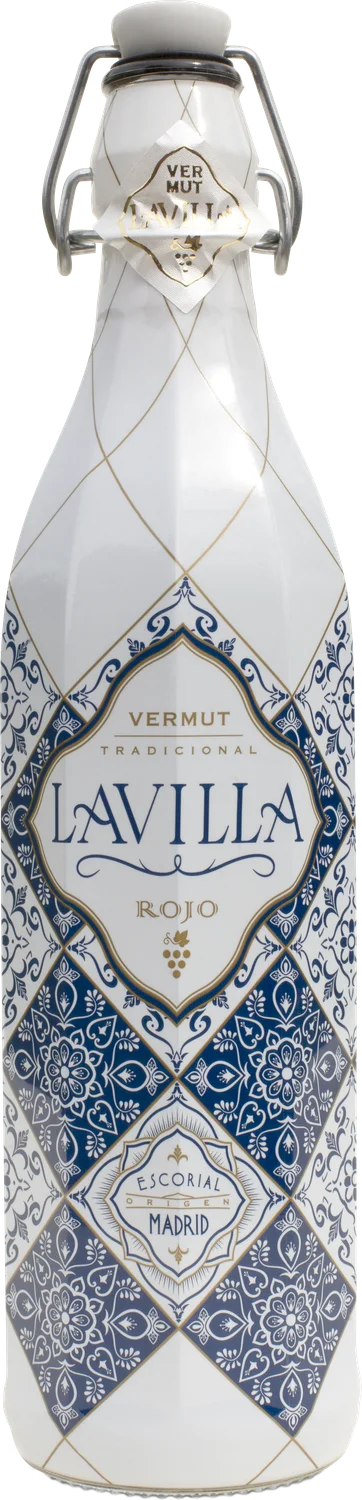
El Escorial
Red · Artisan · Sweet
Vermut La Villa
La Tomata Origen
El Escorial, España
- Ageing
- Barrel-aged
VP Score
Frequently asked questions
What is usually served with vermouth?
The classic vermouth accompaniment is olives, crisps, preserves (anchovies, tuna belly), light cured meats (chorizo, salami) and cured cheeses. The combination of salty and acidic complements the sweetness and bitterness of vermouth.
Do red and white vermouth pair the same?
No. Red vermouth (sweeter and spicier) goes well with strong tapas: cured meats, cured cheeses, oil preserves. White vermouth (more herbal and dry) combines better with seafood, fish, salads and fresh cheeses.
What type of olives are best for vermouth?
Marinated olives (green or black) are classic, but arbequinas, manzanillas and cuquillo also work well. The important thing is the marinade: lemon, herbs, garlic. Avoid overly salty olives that mask the vermouth.
Can vermouth be paired with dessert?
Sweet red vermouth can work with dark chocolate desserts, dried fruits or cheesecake. Dry or white is not ideal for dessert. In general, vermouth is an aperitif, not a digestif.
What modern tapas go well with vermouth?
Beyond classics: tomato bruschetta, hummus, varied croquettes, cheese with quince pinchos, tuna tartare, vegetable carpaccio. The key is contrast: salty/acidic against vermouth sweetness.