Fundamentals
History of vermouth
From Italian Piedmont to Spanish cellars: vermouth chronology, from Carpano in 1786 to the contemporary artisan renaissance.
Origin: the birth of vermouth in Turin (1786)
The modern history of vermouth begins in Turin, in the Italian region of Piedmont, around 1786. That year, Antonio Benedetto Carpano created an aromatised-wine formula combining wormwood (artemisia), spices, sugar and alcohol. It drew on medicinal wines but was designed as an everyday drink for cafés and bars.
Carpano named his creation vermouth, from the German Wermut, meaning wormwood. It was an immediate success: vermouth became the aperitif of Turin’s aristocracy and later of its emerging urban middle class. The Carpano house still produces vermouth today, with Antica Formula as its historic benchmark.
Turin’s industry expanded rapidly. Martini & Rossi, Cinzano and other houses consolidated the Italian rosso style—sweet and spiced, with vanilla and caramel notes—that came to define classic vermouth.
Expansion through Europe and the rise of cocktail culture
From Turin, vermouth spread across Europe during the 19th century:
But it was the rise of cocktail culture in New York and London that established vermouth as an essential ingredient. Drinks such as the Martini, Manhattan, Americano and Negroni—created in Florence in 1919—would not exist without vermouth as a structural component.
- France: Chambéry became the centre of French vermouth, known for a drier, more herbal style (Dolin, Noilly Prat).
- Germany and Austria: more bitter, medicinal styles developed.
- United Kingdom: vermouth became part of gin-and-tonic culture.
Arrival in Spain: Reus and the Spanish school
Vermouth reached Spain in the 19th century, especially through Reus in Tarragona. The Catalan city had three strategic advantages:
By the late 19th century, Reus was producing vermouth on an industrial scale and exporting it throughout Latin America. “Vermut de Reus” became synonymous with quality. Barcelona, Jerez, Málaga and Zamora also developed schools with distinct regional profiles.
Historic references that still illustrate this tradition include Falset Negre des de 1912, from a Priorat cooperative making vermouth since 1912; Casa Valdepablo Vermut, an Aragonese classic dating to 1928; and Yzaguirre Reserva, a Reus benchmark.
- Alcohol industry — Reus was a centre for high-quality alcohol production.
- Trade with the Americas — its port enabled large-scale exports.
- Cooperative network — it had an established agricultural and wine-growing structure.
20th century: industrial predominance and bar ritual
During the 20th century, vermouth became popular in Spain as an afternoon ritual: “vermouth hour” in bars and taverns, served on tap with an olive, lemon and soda from a siphon. Production, however, became concentrated among large industrial brands that simplified recipes and reduced costs.
In Italy, vermouth remained the king of cocktail culture, while in France the dry Chambéry style retained its prestige. The divide widened between bar vermouth for mass consumption and more elaborate vermouth intended for cocktails.
Second golden age: artisan renaissance (21st century)
Since the 2000s and 2010s, vermouth has entered a second golden age:
Examples of this revival on Vermutpedia include Papatán, an artisan vermouth from Jaén; Calla i Beu Rojo, a Mediterranean expression from Alicante; Vermut La Villa, made in Madrid; and Vermut del Paraíso, a Murcian vermouth made with Carmencita botanicals.
- Recovery of traditional recipes — wineries are reviving old formulas.
- Artisan production — small batches, local botanicals and no unnecessary additives.
- Quality vermouth on tap — a return to the barrel, now with exacting standards.
- Regional diversity — projects in Andalusia, Galicia, Asturias and the Canary Islands, each with its own identity.
A brief chronology
| Period | Milestone | Place |
|---|---|---|
| Before 1786 | Medicinal wines made with wormwood | Various cultures |
| 1786 | Carpano creates modern vermouth | Turin (Italy) |
| 19th century | European expansion and arrival in Reus | Italy, France, Spain |
| 1860–1900 | Industrial boom in Reus and exports to the Americas | Reus (Spain) |
| 1919 | Invention of the Negroni | Florence (Italy) |
| 20th century | Industrial dominance and the Spanish bar ritual | Europe and beyond |
| 2000–2010 | Artisan revival and second golden age | Italy, Spain, France |
Differences between the historic schools
| School | Characteristic profile | Vermutpedia references |
|---|---|---|
| Turin (Piedmont) | Sweet, spiced rosso; vanilla and caramel notes | Carpano Antica Formula, Martini Rosso |
| Chambéry (France) | Dry, herbal, lighter and citrus-led | Dolin Dry, Noilly Prat |
| Reus (Spain) | Balanced, Mediterranean herbs, on-tap ritual | Yzaguirre, Miró, Falset |
| Jerez/Montilla (Spain) | Solera influence, oxidative notes and ageing | Lustau, Sánchez Romate |
| Contemporary artisan | Diversity, local botanicals, no additives | Papatán, LOA, Xaló |
Next step
Explore the Spanish vermouth catalogue, the designations and schools, compare Spanish vs Italian vermouth, or read about artisan vs industrial vermouth.
In the catalogue
Referenced or representative bottlings for this topic.
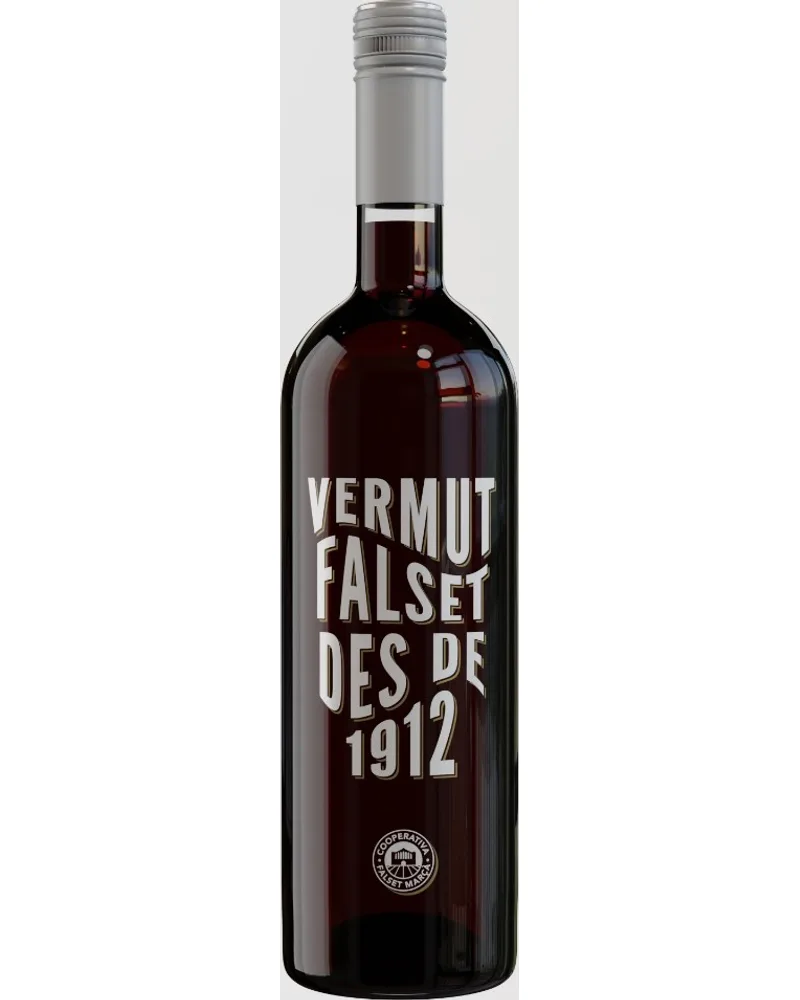
Falset
Red · Artisan · Sweet
Falset Negre des de 1912
Cooperativa Falset Marçà (ÈTIM)
Falset, España
- Ageing
- Barrel-aged
VP Score
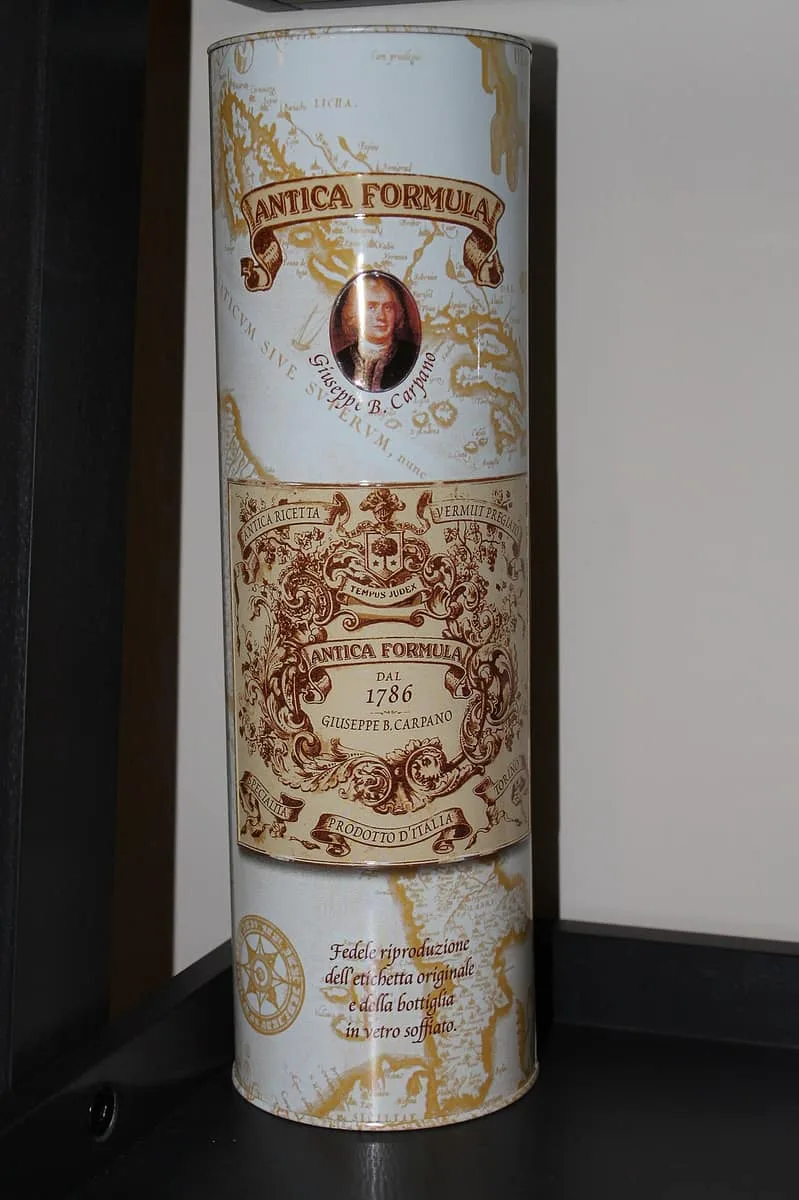
Turín
Red · Medium-sweet
Carpano Antica Formula
Carpano
Turín, Italia
- Ageing
- Unaged
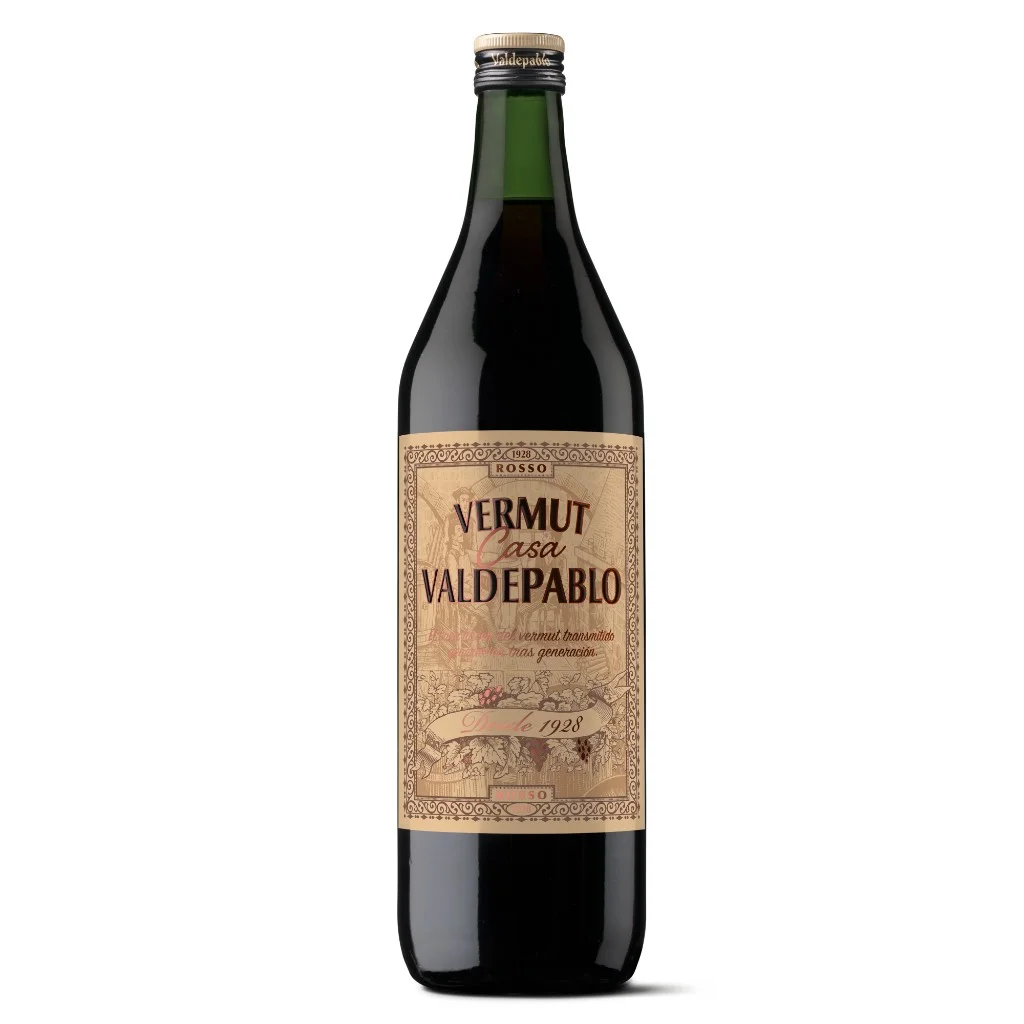
Zaragoza
Red · Medium-sweet
Casa Valdepablo Vermut
Bodegas Valdepablo
Zaragoza, España
- Ageing
- Unaged
VP Score
Frequently asked questions
Where was vermouth born?
The modern vermouth tradition is located in Turin (Piedmont, Italy) around 1786, with Antonio Benedetto Carpano as the historical figure. However, the use of wormwood-aromatised wines is older and documented in various Mediterranean cultures.
When did vermouth arrive in Spain?
Vermouth arrived in Spain in the 19th century, especially through Reus (Tarragona), which became the most important production centre thanks to its alcohol industry and trade with the Americas. Barcelona and other cities developed their own schools in the early 20th century.
Who invented vermouth?
There is no single inventor, but Antonio Benedetto Carpano is considered the father of modern vermouth for his 1786 formula in Turin. Before that, there were medicinal aromatised wines, but Carpano systematised the product as a habitual consumption aperitif.
What is the second golden age of vermouth?
It is the artisan renaissance that vermouth has experienced since the 2000-2010s, with recovery of traditional recipes, small cellars and a return to quality tap vermouth, after decades of industrial brand dominance.
Why is Reus important in vermouth history?
Reus was the "Spanish Havana" of vermouth: its alcohol industry and commercial position allowed it to produce and export vermouth on a massive scale from the late 19th century. Cooperatives such as Falset Marçà (ÈTIM) have kept this tradition alive since 1912.