Fundamentals
Quinados, quinquinas and chinatos: they are not vermouth
The same family of wine-based aperitifs, but different identities: quinine, Port and Barolo versus vermouth made with artemisia.
Why the distinction matters
Labels are often mixed together behind the bar and on the shelf: vermouth, quinquina, quinado, chinato, kina, and sometimes even americano in the French sense. They share wine and botanicals, but they are not the same product.
Vermutpedia classifies every profile with a family field (`productFamily`): `vermut`, `quinquina`, `quinado`, `chinato` or `gentiane`. The pillar rankings — Spanish, Italian, red, white and others — only admit vermouth. The remaining families are explained here and, when profiles are published, in their own taxonomy.
If you are looking for the textbook definition, start with what vermouth is.
Quick table: vermouth vs its quinine relatives
| Family | Key botanical | Tradition | Typical use | On Vermutpedia |
|---|---|---|---|---|
| Vermouth | Artemisia (wormwood) | Turin, Reus, Chambéry… | Aperitif, tap service, Negroni, Martini | Main catalogue and rankings |
| Quinquina | Cinchona bark | France (Roussillon and elsewhere) | Sweet-bitter aperitif | `quinquina` family |
| Quinado | Cinchona in sweet wine/Port | Portugal (Douro) | Portuguese aperitif or digestif | `quinado` family |
| Chinato | Cinchona in red wine (such as Barolo) | Piedmont | Digestif / serious aperitif | `chinato` family |
| Gentiane | Gentian root | France / Iberian projects | Bitter herbal aperitif | `gentiane` family |
Vermouth: artemisia as its signature
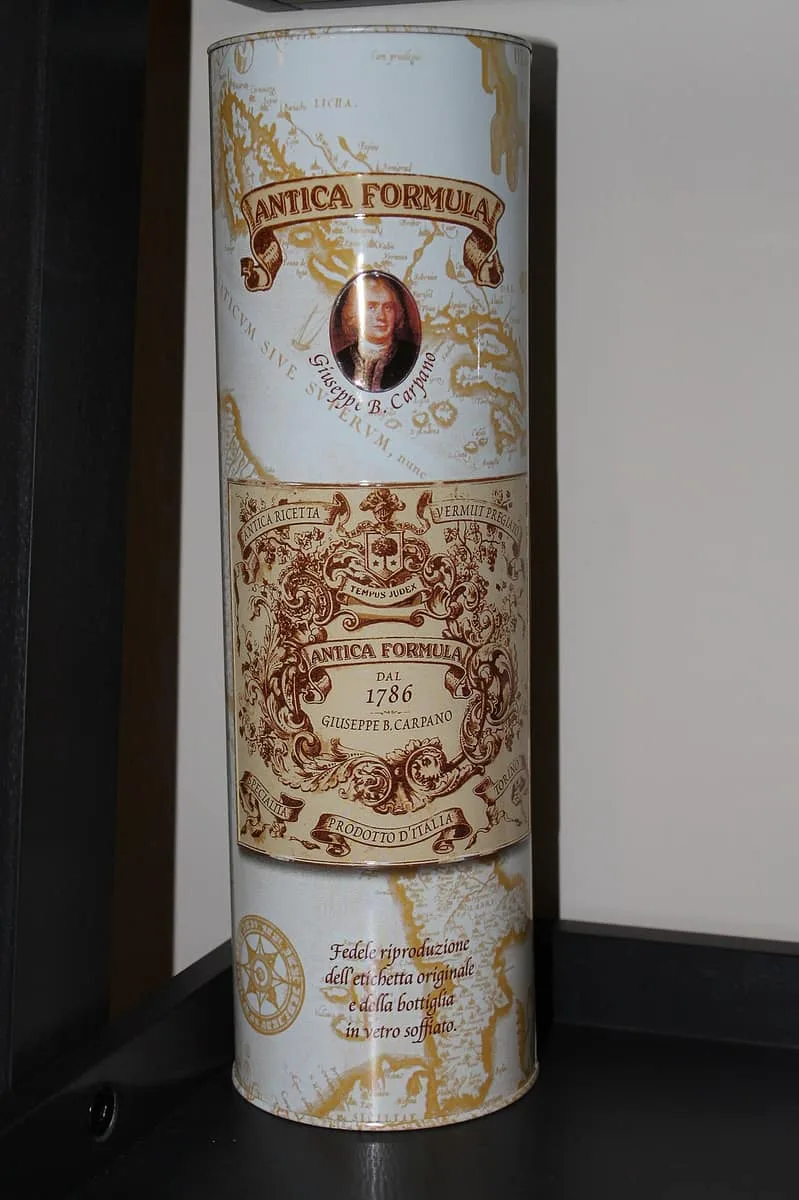
Modern vermouth is built around artemisia. Sugar, alcohol and the remaining botanicals add nuance, but wormwood is its legal and sensory axis. That is why Yzaguirre Clásico Rojo and Carpano Antica Formula are both recognised as vermouth despite their very different profiles.
The rankings of the best Spanish vermouths and best Italian vermouths deliberately exclude quinquinas and quinados: the Vermutpedia Score is compared only within the same family.
Quinquina: the French school of cinchona
Quinquina (or kina) puts cinchona bark at the centre. It is historically associated with houses in southern France — Thuir, Roussillon and Grand Quinquina formulas — and often has a sweeter profile, more “elegant pharmacy” and less “Spanish vermouth terrace”.
It can shine in a spritz or highball, but it is not the default rosso for a Negroni. Our French vermouth guide makes clear that quinquinas are reviewed separately from the vermouth ranking.
Quinado: Portugal and sweet wine
Quinado is the Portuguese interpretation: wine — often connected to the world of Port or sweet mistelle — aromatised with cinchona bark. The result is usually dense, sweet-bitter and suited to an after-meal drink or a leisurely aperitif.
It does not compete in the Portuguese vermouth ranking when the profile is not vermouth: the full list there may show other families, but the leading table ranks only scored vermouths.
Chinato: Barolo (or another red) + cinchona
Chinato — most famously Barolo Chinato — starts with a quality red wine macerated with cinchona bark and botanicals. Its bitterness, tannin and red-wine depth set it apart from tap vermouth.
It is more of a digestif or after-meal aperitif than a vermuteo drink. The Piedmontese scene is better understood alongside the Vermouth di Torino guide and the Italian ranking, without confusing chinato with Vermouth di Torino.
Gentiane: bitterness from a root (and one catalogue example)
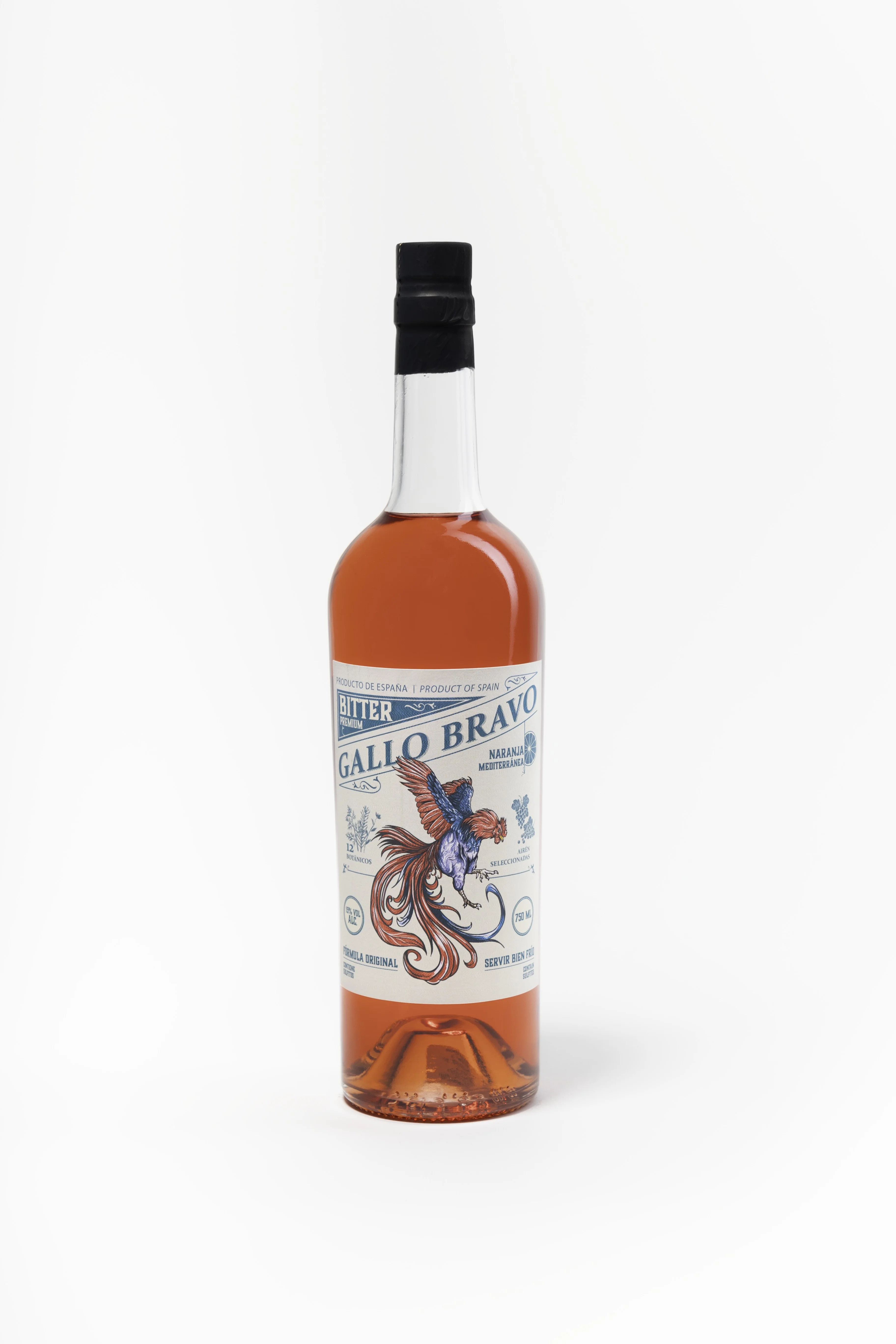
Gentiane revolves around gentian root, not artemisia. It is a category of its own in France, while some Iberian projects engage with this kind of bitterness. One published example is Gallo Bravo Bitter (`gentiane` family).
For Campari-style bar bitters, the separate framework is vermouth vs bitter and Americano.
How to read the label (and the Vermutpedia profile)
- Does it say vermouth / vermut? — It may belong to the vermouth family; check artemisia and local regulations.
- Does it say quinquina, kina, quinado or chinato? — It belongs to another family; do not expect the same terrace-drinking profile.
- On Vermutpedia — Check the type (red, white and so on), sugar style and, above all, the product family when shown.
- Rankings — If it is absent from the vermouth top list, the reason may be its family rather than its quality.
Designations and schools (without mixing them up)
Turin, Reus and Chambéry define schools of vermouth, not quinquina. For PGIs and geographical indications, continue with vermouth designations.
Next step
Learn what vermouth is, compare vermouth and bitter, or explore the country rankings: Spain, France, Italy and Portugal.
In the catalogue
Referenced or representative bottlings for this topic.
Madrid
Other · Artisan · Medium-sweet
Bitter Premium Gallo Bravo
Pista Corta Bodegas
Madrid, España
- Ageing
- Unaged
Turín
Red · Medium-sweet
Carpano Antica Formula
Carpano
Turín, Italia
- Ageing
- Unaged
El Morell
Red · Medium-sweet
Yzaguirre Clásico Rojo
Yzaguirre
El Morell, España
- Ageing
- Unaged
VP Score
Frequently asked questions
Is quinquina a vermouth?
No. Both are aromatised wine-based aperitifs, but quinquina is defined by cinchona bark and a distinct French tradition. On Vermutpedia it has its own family (`productFamily: quinquina`) and is excluded from vermouth rankings.
What is a quinado?
A quinado is a wine aromatised with cinchona bark and associated with Portuguese tradition, often based on Port or other sweet wines from the Douro. It shares quinine with quinquina, but belongs to a Portuguese winemaking and drinking context.
What is Barolo Chinato?
It is Barolo wine, or another high-quality Piedmontese red, macerated with cinchona bark and botanicals. It is drunk as a digestif or serious aperitif; it is not a classic rosso vermouth even though it shares herbal bitterness.
Why are they absent from the best vermouth ranking?
Because we compare only vermouths: aromatised wine aperitifs centred on artemisia. Quinquinas, quinados and chinatos are reviewed in the catalogue when published, but they compete in a different family.
Can they be used in cocktails like vermouth?
Sometimes, with caveats: a quinquina contributes more quinine and often more sweetness, while a chinato adds red-wine body and cinchona bitterness. They are not one-for-one substitutes for rosso or dry vermouth in a Negroni or Martini.