Fundamentals
Vermouth vs bitter and Americano
Aromatised wine, alcoholic bitter and the cocktail that brings them together: what each piece of the Italian aperitif is and how to combine them.
Why they get confused
In Spanish and Italian bars, vermouth, bitter and cocktails that combine the two share the counter. They use some of the same botanicals — wormwood, citrus and herbs — and are often drunk at the same time of day. But they are not the same category of drink: vermouth is aromatised wine, bitter is a more concentrated bitter aperitif, and the Americano is a recipe that brings them together.
If the drink itself is still unfamiliar, start with what vermouth is.
Vermouth
Vermouth always has wine as its backbone. It is the rounded, versatile part of the aperitif: vinous body, moderate sweetness and herbal bitterness without the immediate intensity of a neat bitter.
- Base: aromatised wine (a wine-based aperitif).
- Typical ABV: 14–18% vol.
- Profile: herbal, with sweetness ranging from dry to sweet.
- Examples on Vermutpedia: Corona de Aragón, Papatán and Vermut Saüc Rojo.
Bitter (bar amaro)
Bitters are bitter concentrates designed for mixed drinks or an aperitif with soda. A neat sip of bitter bears little resemblance to a glass of vermouth: intensity and bitterness take over immediately.
- Base: neutral spirit or wine with intense infusions; it is not classified as vermouth.
- Typical ABV: 11–28% vol., depending on the brand.
- Profile: distinctly bitter, citrusy and herbal, with much less sweetness than a rosso.
- Examples: Campari, Aperol, Cynar, Suze and Martini Bitter.
Mi-To, Americano and Negroni: the aperitif ladder
Mi-To (Milano-Torino)
No soda. This is the most direct meeting of the two drink families.
- 1 part bitter
- 1 part red vermouth
- Ice and an orange garnish
Americano: the cocktail, not the drink category
The cocktail originated in Italy as an evolution of the Mi-To. Soda lengthens and softens the drink, making it ideal for a terrace and a leisurely aperitif.
For the red vermouth, choose a semi-sweet rosso with enough herbal character to stand up to the bitter. Our Americano recipe recommends Corona de Aragón Vermouth Tinto, or Vermut Saüc Rojo for greater botanical complexity.
- 1 part bitter (typically Campari)
- 1 part red vermouth
- Soda water or siphon
Negroni
Add gin to the balance of bitter and vermouth. The classic formula still calls for semi-sweet rosso; dry vermouth does not fit here. See the full Negroni recipe.
How they work together at the bar
| Product | Role | When to use it |
|---|---|---|
| Vermouth | Wine, sweetness, gentle herbal character | Neat aperitif, cocktail base |
| Bitter | Bitterness, citrus, colour | Mi-To, Americano, Spritz, Negroni |
| Americano (cocktail) | Balanced and lengthened with soda | Long aperitif, lower effective ABV |
Common confusions
- “Martini Bitter” is the Martini house bitter, not rosso vermouth.
- Quinquina / French americano refers to different quinine drinks such as Dubonnet and Bonal; do not confuse them with the Italian Americano cocktail.
- White vermouth + Campari works in variants such as a Spritz, but the classic Americano uses red vermouth.
- Replacing vermouth with bitter in a Negroni unbalances the drink: bitter cannot provide the vinous body the recipe needs.
Next step
Try the Americano recipe, compare vermouth styles, or browse the vermouth catalogue and filter for red.
In the catalogue
Referenced or representative bottlings for this topic.
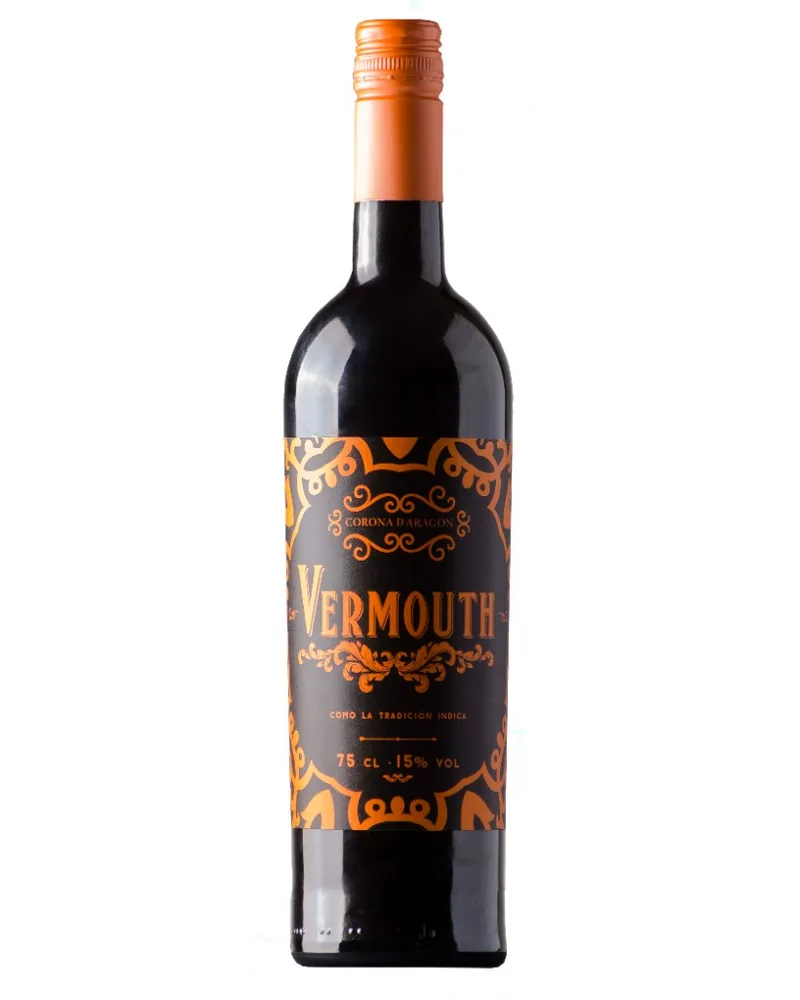
Cariñena
Red · Medium-sweet
Corona de Aragón Vermouth Tinto
Grandes Vinos y Viñedos
Cariñena, España
- Ageing
- Barrel-aged
VP Score
- Peñín:
- 90
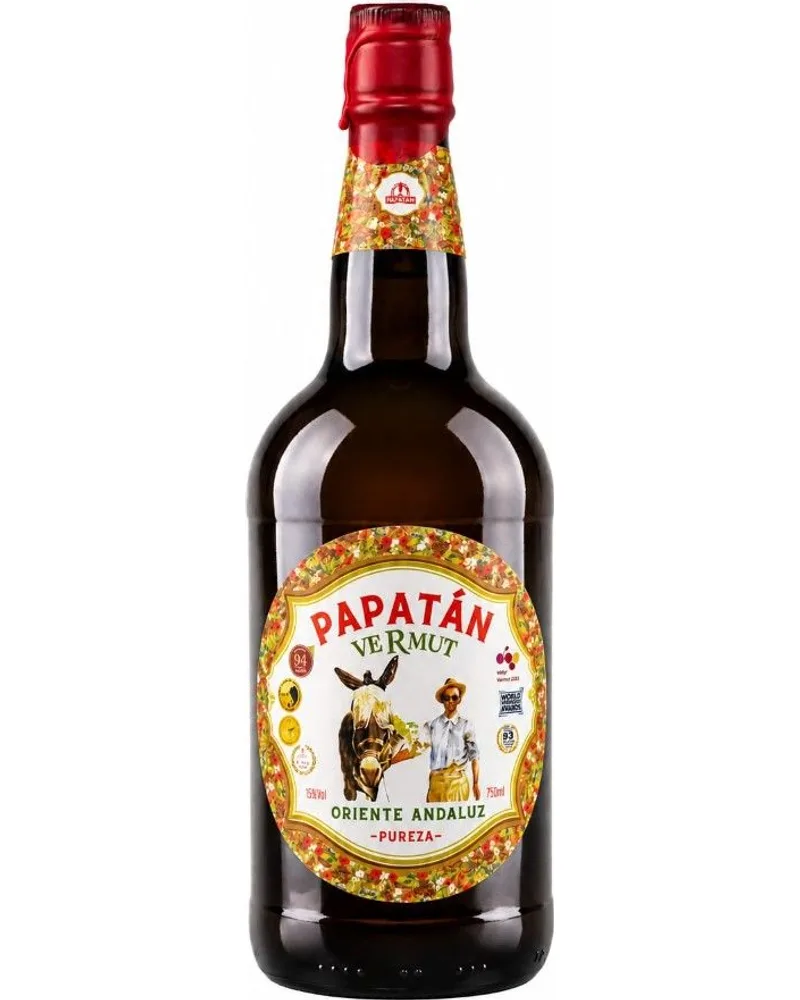
Torreperogil
Red · Artisan · Medium-sweet
Papatán
Vermut Papatán S.L.
Torreperogil, España
- Ageing
- Unaged
VP Score
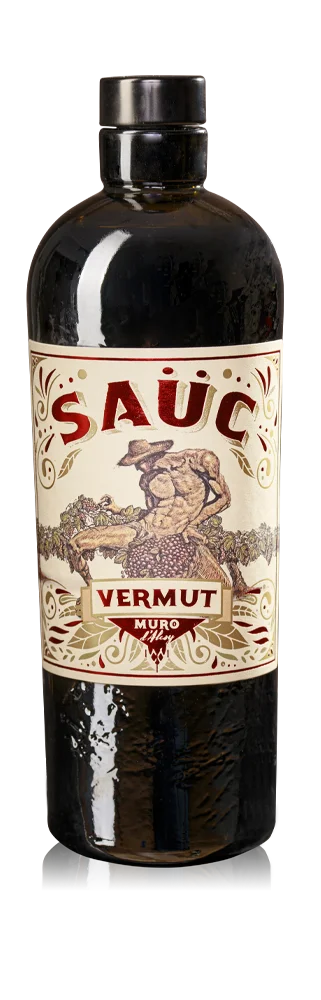
Muro de Alcoy
Red · Reserve · Artisan · Medium-sweet
Vermut Saüc Rojo
Celler La Muntanya
Muro de Alcoy, España
- Ageing
- Barrel-aged
VP Score
Frequently asked questions
Is Campari a vermouth?
No. Campari is a bitter (bitter-alcoholic aperitif), not an aromatised wine-based aperitif. They share botanicals but the base and regulations differ.
What is an Americano?
A cocktail: bitter + red vermouth + soda. It is not a bottled drink category. Do not confuse with French "americano" quinquina drinks.
Can I substitute vermouth with bitter?
Not directly: bitter is much more bitter and concentrated. In recipes they complement each other, they are not swapped 1:1.
Which vermouth for an Americano?
A semi-sweet rosso with enough herbal character to balance the bitter: Corona de Aragón, Papatán or similar bottles from our Americano recipe.
What is a Mi-To?
Milano-Torino: bitter + red vermouth in equal parts, no soda. Direct ancestor of the Americano (which adds siphon) and the Negroni (which adds gin).