Fundamentals
What is vermouth
From aromatised wine to bar aperitif: legal definition, history, botanicals, alcohol content and uses of modern vermouth.
Definition: what vermouth is
Vermouth (or vermouth) is an aromatised wine-based aperitif: base wine, ethyl alcohol of viticultural origin or grape distillate, sugar and a mixture of botanicals — artemisia (wormwood), bark, cardamom, citrus and local herbs — macerated or distilled according to each house recipe.
In the European Union, vermouth belongs to the family of aromatised wine aperitifs. It is neither a fruit liqueur nor a pure bitter: wine remains the backbone of the product. That is why the glass shows vinous body, variable sweetness and herbal bitterness rather than the concentrated intensity of a bar amaro.
If you want to understand the difference from Campari or Aperol, see vermouth vs bitter and Americano.
How it is made
The process varies between industrial brands and artisan wineries, but the basic sequence is the same:
Examples that illustrate different levels of production in our catalogue are Papatán, a small-batch artisan vermouth from Jaén; Falset Reserva des de 1912, aged for five years in century-old Priorat casks; and Vermut Saüc Rojo, made from Malvasía with botanicals from the Sierra de Mariola and aged for one year in barrel.
- Base wine — white in most formulas; some red vermouths use red wine or caramel colour (E150d).
- Botanical maceration or distillation — herbs, spices and roots remain in contact for weeks; reserves extend the process or add barrel ageing.
- Sugar and alcohol — the semi-sweet, dry or sweet profile and final strength, usually 15–16% vol., are adjusted.
- Resting and bottling — the vermouth is stabilised before release.
Brief history
The modern version of vermouth was born in Italian Piedmont around 1786, with the Carpano house in Turin as the historic reference. From there it spread through European bars, cafés and cocktail culture: the Mi-To, Americano and Negroni established vermouth as an essential bar ingredient.
In Spain, cities such as Reus, Barcelona and Jerez developed their own schools during the 19th and 20th centuries. Today century-old cooperatives such as Falset Marçà (ÈTIM), which has made vermouth since 1912, coexist with Mediterranean producers such as Bodegas Xaló and Andalusian artisan projects such as Papatán across the country.
Botanicals and profile in the glass
The leading botanical is usually artemisia (wormwood), which provides the characteristic herbal bitterness. It is joined by:
The result may be sweeter and more spiced, like a classic Italian rosso; dry and herbal, like a Turin or Chambéry dry; or marked by cellar notes and barrel ageing. To distinguish red, white and dry, see the style guide.
- Dried citrus (orange, lemon)
- Spices (cinnamon, clove, cardamom)
- Roots and barks (gentian, cascara sagrada)
- Local herbs by region (alpine mint, Mediterranean rosemary…)
Alcohol and sugar
Alcohol
Most commercial vermouths range from 14% to 18% vol., although lighter exceptions and stronger reserves exist. Vermutpedia records the strength on each profile when declared by the producer — for example, 16.5% vol. for Falset Reserva and 15% vol. for Vermut LOA Rojo.
EU classification by sweetness
Each Vermutpedia profile shows both the type (red, white and so on) and the sugar style for accurate comparisons. You can also filter by alcohol band in our catalogue.
| Label style | Approximate sugar |
|---|---|
| Extra dry | ≤ 30 g/l |
| Dry | ≤ 50 g/l |
| Semi-dry | 50–90 g/l |
| Semi-sweet | 90–130 g/l |
| Sweet | > 130 g/l |
Alcohol-free
De-alcoholised products are generally ≤0.5% vol. to qualify for “alcohol-free” labelling in the EU. Find more context in the alcohol-free vermouth guide.
How it is used
Vermouth is traditionally served as an aperitif — neat, over ice, with soda or in mixed drinks. It forms the base of the Negroni, Americano, Manhattan and Mi-To, as well as the afternoon vermouth ritual in Spain and Italy.
For serving details — temperature, ice and garnishes — see how to drink vermouth.
Three profiles in the glass
| Profile | Example | What it shows |
|---|---|---|
| Classic bar style | Corona de Aragón Vermouth Tinto | Semi-sweet rosso from Cariñena, Spanish ritual |
| Premium reserve | Falset Reserva des de 1912 | Long barrel ageing, carefully worked botanicals, slow tasting |
| Contemporary artisan | Vermut LOA Rojo | Signature style from Jaén, Italian-inspired, without barrel ageing |
Next step
Explore the full catalogue, the best Spanish vermouths, the designations, or clarify what is not vermouth in quinados, quinquinas and chinatos.
In the catalogue
Referenced or representative bottlings for this topic.
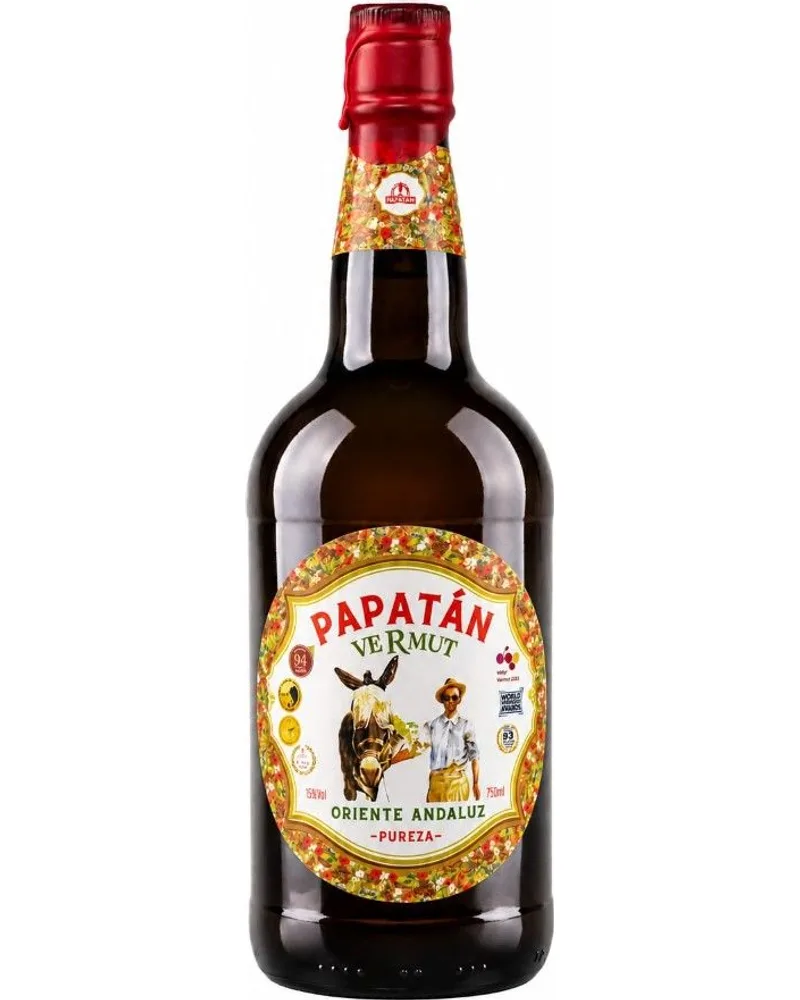
Torreperogil
Red · Artisan · Medium-sweet
Papatán
Vermut Papatán S.L.
Torreperogil, España
- Ageing
- Unaged
VP Score
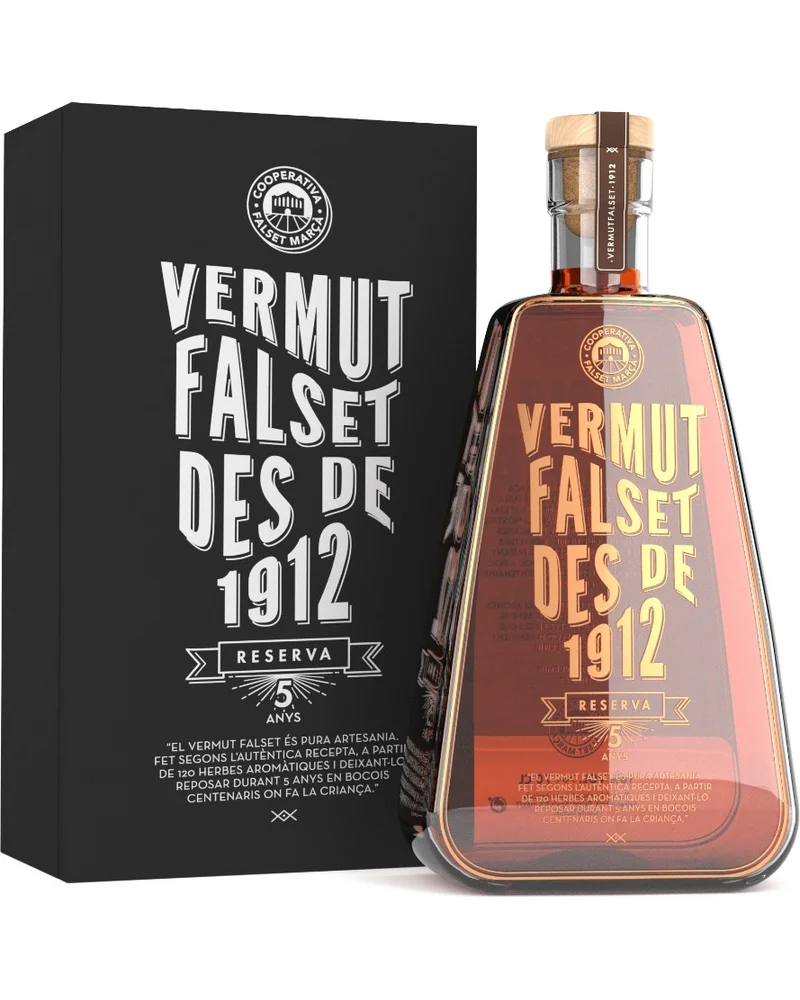
Falset
Other · Reserve · Artisan · Sweet
Falset Reserva des de 1912
Cooperativa Falset Marçà (ÈTIM)
Falset, España
- Ageing
- Barrel-aged
VP Score
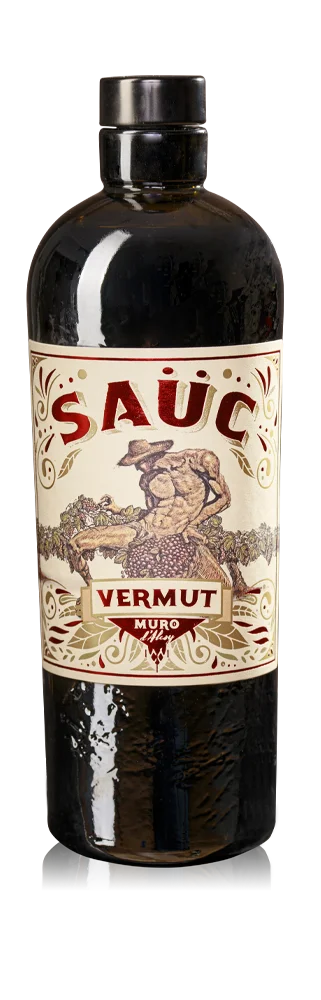
Muro de Alcoy
Red · Reserve · Artisan · Medium-sweet
Vermut Saüc Rojo
Celler La Muntanya
Muro de Alcoy, España
- Ageing
- Barrel-aged
VP Score
Frequently asked questions
Is vermouth a wine?
Yes. In the EU, vermouth is an aromatised wine-based aperitif: base wine (white or, in many red vermouths, white wine that is later coloured) with alcohol, sugar and macerated botanicals. It is neither a fruit liqueur nor a bitter.
How much alcohol does vermouth contain?
Most vermouths are around 14–18% vol. De-alcoholised or "alcohol-free" products are usually below 0.5% vol. under European labelling rules.
Where was vermouth born?
The modern tradition is associated with Turin (Italy) around 1786, with the Carpano house as the historic reference. In Spain, Reus and other cities developed their own schools in the 19th and 20th centuries.
What is the difference between vermouth and bitter?
Vermouth always starts from aromatised wine; bitter (Campari, Aperol…) is a different regulatory category and far more concentrated. They complement each other in cocktails such as the Americano or Negroni.
Which botanicals does vermouth contain?
Artemisia (wormwood) is essential. Citrus peel, spices, gentian root and local herbs are added according to each house recipe and region.