Fundamentals
Vermouth designations: Reus, Torino and Chambéry
From Piedmont’s PGI to the Reus legend and the French Alpine school: how the great vermouth traditions are recognised and enjoyed.
Schools, not just labels
Modern vermouth was born in Turin (1786) and developed into schools with distinct personalities. Some have geographical protection, such as Vermouth di Torino; others are city traditions as powerful as a mark of origin, such as Reus; and others are recognised schools of style in the market, such as Chambéry.
Here we summarise the three most searched-for schools and link them to Vermutpedia’s regional guides. For the complete timeline, see the history of vermouth.
The three schools compared
| School | Country | What it is today | Typical profile | Vermutpedia guide |
|---|---|---|---|---|
| Vermouth di Torino | Italy | Piedmontese PGI | Spiced rosso, bianco, bar dry | Vermouth di Torino |
| Vermouth from Reus | Spain | Historic capital / tradition | Semi-sweet terrace style, tap vermouth, reserves | Vermouth from Reus |
| Vermouth de Chambéry | France | Historic Alpine school | Herbal dry, refined white | Vermouth from Chambéry |
Vermouth di Torino (PGI)
Turin is the birthplace of vermouth as we understand it. The Vermouth di Torino indication requires production in Piedmont, predominantly local grapes and a reference aromatic framework.
What this means in practice
- “Made in Italy” is not enough: the label wording is regulated.
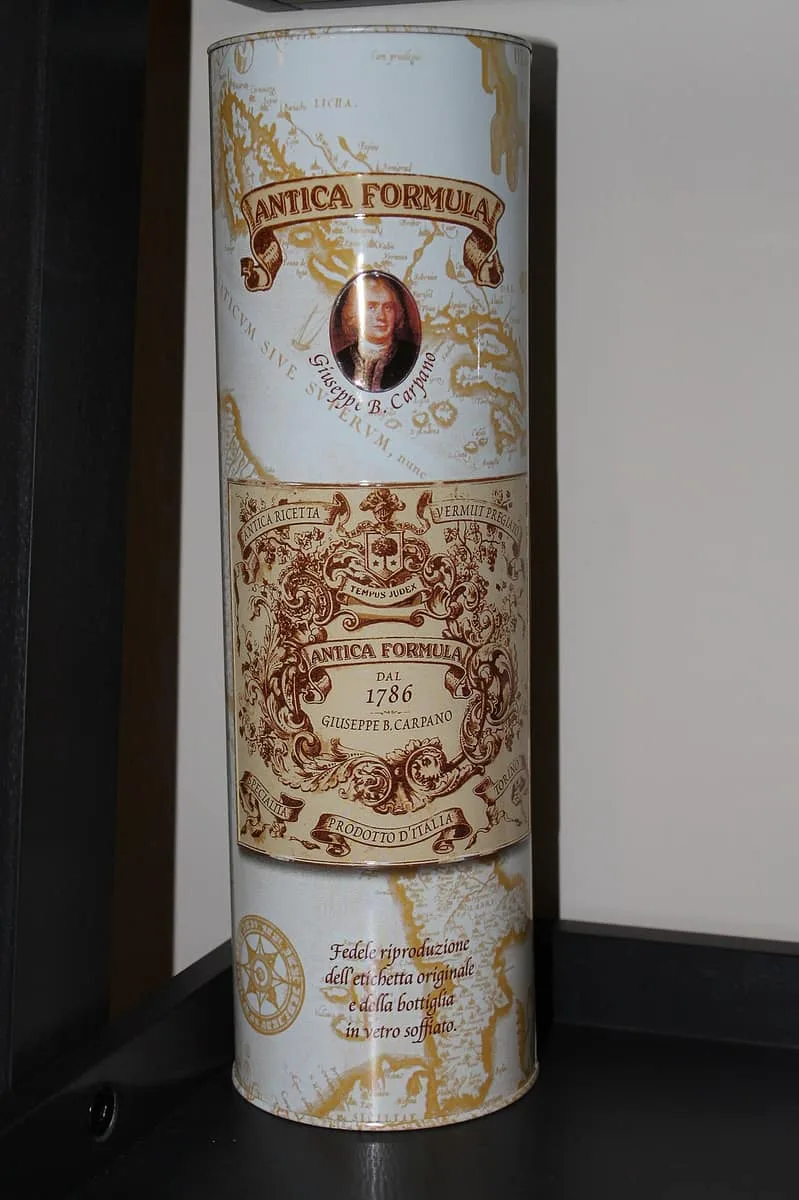
- Historic houses such as Carpano Antica Formula, Cocchi and Contratto coexist with artisan projects.
- Chinato (Barolo + cinchona) is another family; do not confuse it with the PGI. See quinados, quinquinas and chinatos for details.
Where to learn more
Catalogue and context: the Vermouth di Torino guide and the best Italian vermouths ranking.
Vermouth from Reus (Spanish tradition)
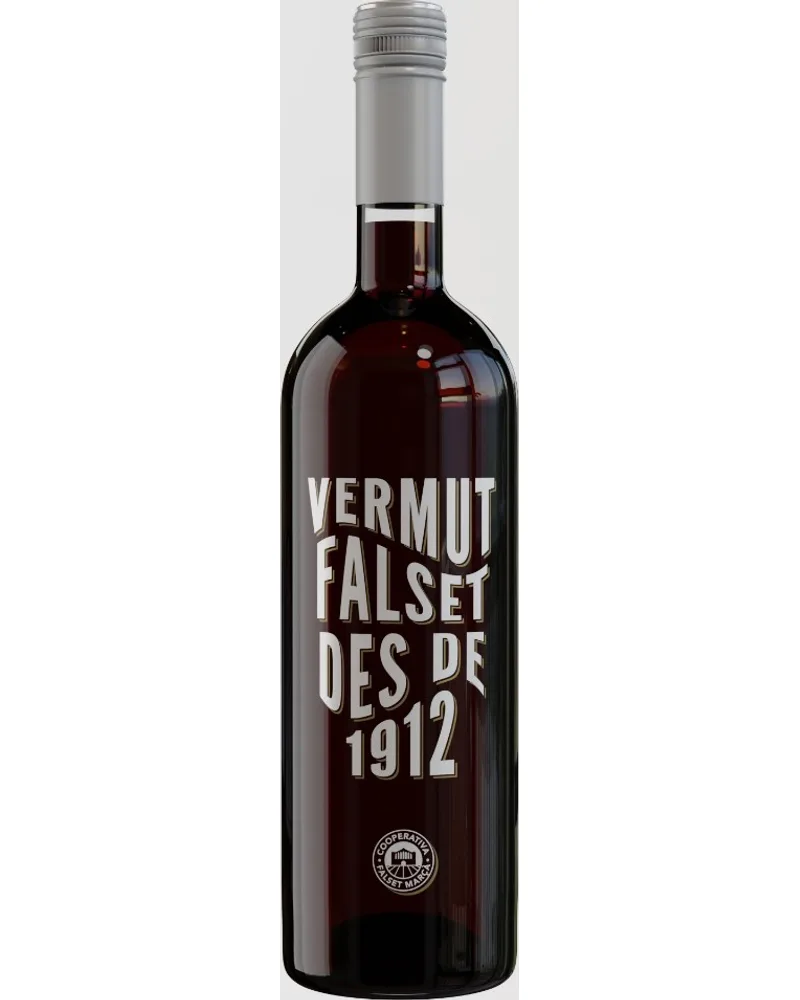
Reus (Tarragona) was Spain’s great industrial vermouth centre from the 19th century onwards: alcohol production, exports to the Americas and the “Vermut de Reus” label as a synonym for quality. Houses such as Yzaguirre, Miró and Fot-Li remain, alongside Priorat cooperatives such as Falset Marçà.
What it is not
It is not a legal twin of Vermouth di Torino. Its strength is historical and cultural: tap service, terraces, semi-sweet midday drinking and vermuteo.
Catalogue references
Yzaguirre Reserva, Falset Negre des de 1912 and the remaining listings in vermouth from Reus and Catalan vermouth.
Vermouth de Chambéry (Alpine school)
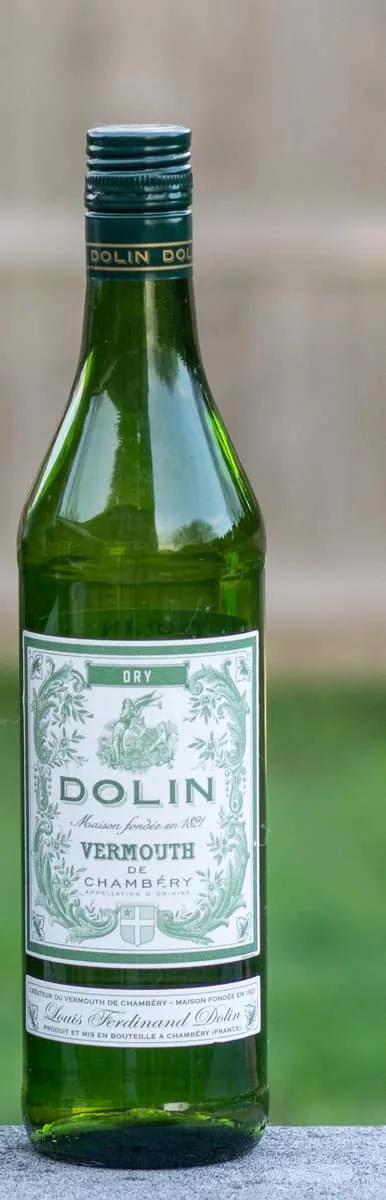
Chambéry (Savoy) established the dry, herbal French style: less sweetness than Turin rosso, with more Alpine herbs and freshness. Dolin, Routin and Comoz are benchmark names; Dolin Dry illustrates the profile in cocktails such as the Martini and as a dry aperitif.
Relationship to other French quinine drinks
France is also home to quinquinas. They do not belong to the Chambéry school of vermouth, but to another family. See quinquinas and related drinks and the French vermouth ranking.
Regional guide: vermouth from Chambéry.
Other wording you will see on labels
| Wording | Notes |
|---|---|
| Vermouth di Torino | PGI; check the specification and label wording |
| Vermut de Reus / Reus | Historic origin; not an Italian PGI |
| Chambéry / Chamberyzette | Regional style / brand; check the producer |
| Jerez / Montilla | Andalusian solera-ageing schools, not one “vermouth designation” | Guide: vermouth from Jerez |
| Spanish / Italian / French | Country of production; not a substitute for the school |
How to choose by school
- International classic cocktails — Torino (rosso) or Chambéry (dry).
- Terraces and vermuteo — Reus / Catalonia / Madrid; see how to drink vermouth.
- Ageing and solera — Jerez and Montilla; they are neither Torino nor Chambéry.
- Compare scores — Start by country: Spain, Italy, France.
Next step
Read the history of vermouth, enter Vermouth di Torino, Reus or Chambéry, or clarify what is not vermouth in quinados, quinquinas and chinatos.
In the catalogue
Referenced or representative bottlings for this topic.
Turín
Red · Medium-sweet
Carpano Antica Formula
Carpano
Turín, Italia
- Ageing
- Unaged
Chambéry
White · Dry
Dolin Vermouth de Chambéry Dry
Dolin
Chambéry, Francia
- Ageing
- Unaged
VP Score
El Morell
Red · Reserve · Medium-sweet
Yzaguirre Rojo Reserva
Yzaguirre
El Morell, España
- Ageing
- Barrel-aged
VP Score
Falset
Red · Artisan · Sweet
Falset Negre des de 1912
Cooperativa Falset Marçà (ÈTIM)
Falset, España
- Ageing
- Barrel-aged
VP Score
Frequently asked questions
What is Vermouth di Torino?
It is an Italian protected geographical indication (PGI) regulating vermouth made in Piedmont, primarily from Piedmontese grapes and with an aromatic profile linked to Turin tradition. Not every Italian vermouth is automatically Vermouth di Torino.
Does vermouth from Reus have an official designation?
Reus is the historic capital of Spanish vermouth and a widely recognised mark of origin, with century-old houses and a culture of tap service. It is not a PGI equivalent to Vermouth di Torino; its importance is historical, industrial and cultural.
What does Vermouth de Chambéry protect?
Chambéry gives its name to the French Alpine school of vermouth, especially dry and herbal styles. The area’s historic reputation — Dolin, Routin, Comoz and others — defines a style rather than a seal identical to the Turin PGI.
Is a vermouth from Piedmont always Vermouth di Torino?
No. It must comply with the indication’s specification covering production in Piedmont, grapes, botanicals and label wording. Some Piedmontese vermouths fall outside the PGI, and chinatos are not vermouth.
Where can I browse Vermutpedia by school?
In the regional guides: Vermouth di Torino, vermouth from Reus and vermouth from Chambéry, plus the Catalonia, Italy and France hubs.