Serving
Vermuteo: the culture of the aperitif
More than a glass: vermuteo as a Spanish social ritual — when, how and with whom, from Reus to Madrid and from neighbourhood bars to terraces.
What vermuteo is
Vermuteo is the practice of drinking vermouth — and enjoying the time around it — as a social ritual. It is not just about drinking: it means meeting, talking, having a bite and marking a pause before lunch or in the middle of the afternoon.
In Spain, the usual protagonist is semi-sweet red vermouth, served very cold over ice with an orange slice or an olive — often on tap. The preferred setting is a neighbourhood bar, vermouth bar or terrace. There is no hurry.
If you want specific serving advice on temperature, glassware or soda, see how to drink vermouth. Here the subject is culture: why the ritual exists and how it is experienced in different places.
Where “vermouth hour” comes from
Vermouth reached Spain in the 19th century and became popular in Reus, Barcelona and other industrial cities. During the 20th century, it became a Sunday and midday drink: after Mass, people went to the bar and ordered vermouth on tap or by the bottle.
After decades dominated by industrial brands and a period of relative neglect, the 21st century has brought a second golden age: artisan vermouths, specialist vermouth bars and the return of quality vermouth on tap. Vermuteo has moved from nostalgia to fashion without losing its neighbourhood character. Find more context in the history of vermouth.
How vermuteo is experienced (the ritual)
The following elements are almost always present:
- Moment — before lunch or in the middle of the afternoon; at weekends or during a holiday break.
- Company — friends, family and neighbours; rarely deliberately alone.
- Glass — wide and filled with ice; sometimes with a splash of siphon.
- Garnish — orange, lemon or an olive.
- Tapa — olives, crisps, preserved seafood or light charcuterie; see pairings.
- Pace — one or two glasses; vermuteo does not replace the meal.
| Element | Classic | Modern twist |
|---|---|---|
| Drink | Red on tap or bottle | Artisan, reserve, white in summer |
| Service | Ice + orange | Twist, soda, light spritz |
| Place | Neighbourhood bar | Vermouth bar, terrace, home |
| Food | Olives and crisps | Preserves, cheese, pinchos |
Regional nuances of the ritual
Catalonia and Reus
The historic cradle of Spanish vermouth. Here, vermuteo is local identity: tap vermouth, terraces, cooperatives and century-old houses. The Catalan vermouth guide and our ranking of the best Spanish vermouths provide catalogue context.
Madrid
Madrid vermuteo mixes castizo tradition and large-format classics with artisan projects. Vermouth hour in Chamberí, Malasaña or Lavapiés coexists with profiles such as Vermut La Villa. Read more in the Madrid vermouth guide.
The Basque Country, Galicia, Aragon and beyond
Each region adapts the ritual: fresher Atlantic vermouths, Aragonese terrace rossos and projects from Andalusia or eastern Spain. The common element is not one fixed recipe, but meeting to drink vermouth with something salty on the table.
Accessible classics for the ritual include Yzaguirre Clásico Rojo and Corona de Aragón.
Spanish vermuteo vs Italian aperitivo
They are not opposites: both celebrate the moment before a meal. Spanish vermuteo places more emphasis on everyday life; the Italian ritual, on bar culture. For the bottle style most commonly used in both, see the red vermouth ranking.
| Vermuteo (Spain) | Aperitivo (Italy) | |
|---|---|---|
| Tone | Informal, neighbourhood, terrace | Bar, spritz, more codified |
| Typical drink | Rosso with ice and orange | Spritz, Americano, Mi-To, rosso |
| Time | Midday / pre-lunch | Late afternoon / pre-dinner |
| Food | Tapas and preserves | Snacks, olives, crisps |
| Place | Everyday bar or vermouth bar | Café, enoteca, cocktail bar |
How to host vermuteo at home
One well-served bottle is better than three left half empty.
- Choose one bottle — an approachable semi-sweet rosso that almost everyone will enjoy; 75 cl is enough for a small group.
- Make it properly cold — refrigerate for several hours and use large ice cubes in the glass.
- Use wide glasses — tumblers also work; avoid narrow cocktail glasses for the classic ritual.
- Prepare the garnish — sliced orange and marinated olives.
- Keep the tapa simple — one or two salty foods, not a complete menu.
- Store what remains — return the bottle to the fridge when you finish; see how to store open vermouth.
What vermuteo is not
- A binge disguised as tradition: the pace is social, not competitive.
- Just an Instagram photo without the real pause: vermuteo survived for a century without a hashtag.
- Confusing it with a technical tasting: you can taste at home, but vermuteo puts company first.
- Leaving the open bottle on the bar shelf “until next Sunday”.
Next step
Practise service with how to drink vermouth, understand vermouth on tap, set the table with pairings, or pick a bottle from the Spanish catalogue.
In the catalogue
Referenced or representative bottlings for this topic.
El Morell
Red · Medium-sweet
Yzaguirre Clásico Rojo
Yzaguirre
El Morell, España
- Ageing
- Unaged
VP Score
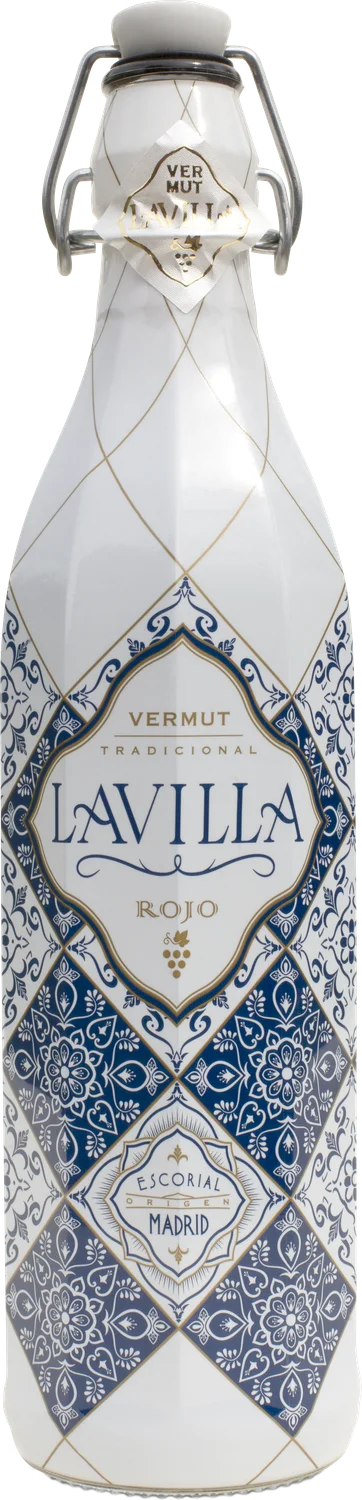
El Escorial
Red · Artisan · Sweet
Vermut La Villa
La Tomata Origen
El Escorial, España
- Ageing
- Barrel-aged
VP Score
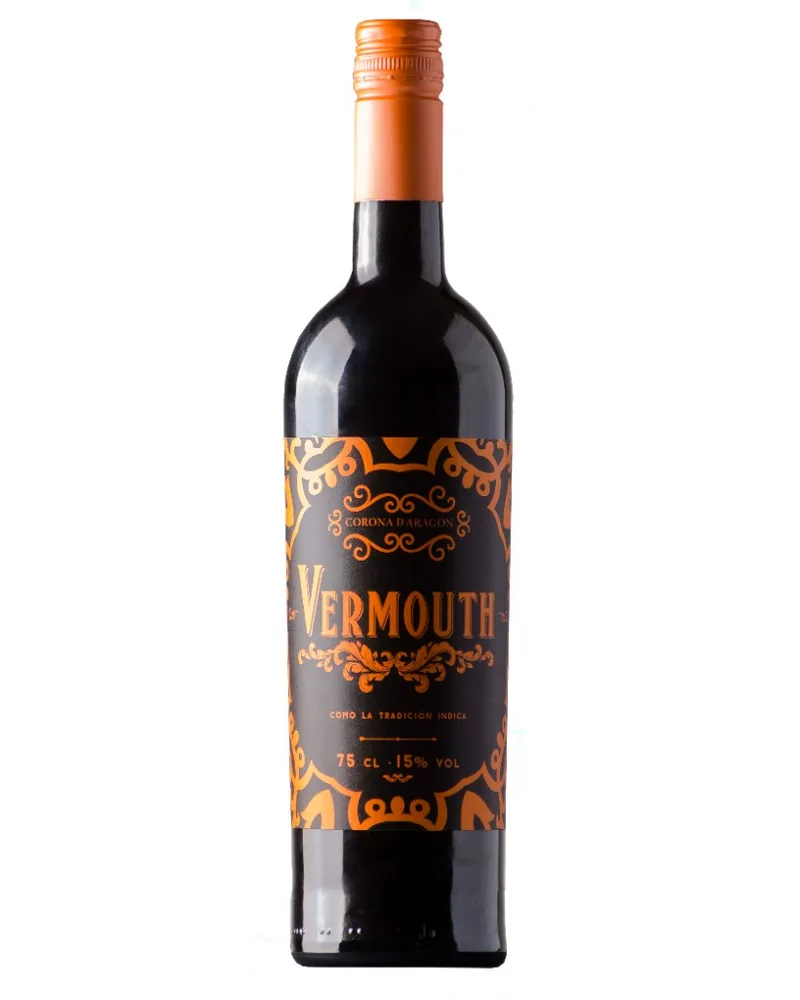
Cariñena
Red · Medium-sweet
Corona de Aragón Vermouth Tinto
Grandes Vinos y Viñedos
Cariñena, España
- Ageing
- Barrel-aged
VP Score
- Peñín:
- 90
Frequently asked questions
What is vermuteo?
Vermuteo is the social ritual of drinking vermouth — usually red, cold and on ice — mid-morning or before lunch, with light tapas. It is bar and terrace culture, not just a drink.
When is vermouth hour?
In Spain it is often between 12:00 and 14:00 before lunch, or mid-afternoon at weekends. There is no fixed clock: what matters is the social pause.
Are vermuteo and Italian aperitivo the same?
They share the idea of drinking before a meal, but Spanish vermuteo is more informal and neighbourhood-based; Italian aperitivo is more tied to the bar, spritz and codified cocktails.
Can you do vermuteo at home?
Yes. Fridge, wide glass, ice, orange or olive and a few salty snacks are enough. Open one bottle, not three; keep the rest cold.
Which vermouth for a vermuteo?
An approachable semi-sweet rosso served cold: supermarket classics or terrace artisan bottles. For more character, a reserve or a local project from your city.