Serving
Vermouth on tap: what it is and how to order it
The Spanish ritual of draft vermouth: kegs, freshness, hospitality formats and how to recognise it without confusing it with house vermouth.
What vermouth on tap is
Vermouth on tap, also called draft or keg vermouth, is served from a bulk container — a steel keg, hospitality container or Bag-in-Box — instead of opening a 75 cl bottle for each service.
In Spain it is at the heart of vermuteo: terraces, midday drinking, ice and a tapa. It is not a separate sugar style, but a serving format that supports freshness and a lower price per glass when turnover is high.
For temperature, glassware and soda, see how to drink vermouth.
Tap vs bottle
Many brands sell the same recipe in bottles and hospitality formats. Others have a specific “tap” or jug range, such as Cruz Conde Artesano Grifo (3 L).
| Tap / keg | 75 cl bottle | |
|---|---|---|
| Use | Bar, vermouth bar, party, home with BIB | Tasting, gifts, reserves, precise cocktails |
| Advantage | Freshness with high turnover; less waste per serve | Batch control; full labelling; collectability |
| Risk | Oxygen and system cleanliness | Oxidises after opening if not refrigerated |
| Profile | Usually a semi-sweet terrace rosso | From bottled tap classics to reserve vermouth |
A brief history of the tap
Tap service popularised vermouth in 20th-century taverns: it was cheaper per serving, quicker to pour and associated with the Sunday ritual. Reus, Barcelona and Madrid established the image of draft vermouth with an olive and siphon.
The second golden age has brought signature taps: fast turnover, artisan recipes and vermouth bars that identify the brand. Domestic Bag-in-Box formats with drip-free taps also avoid opening three bottles for one meal. For cultural context, see the history of vermouth and the guides to Reus and Madrid.
Hygiene and quality: what really matters
More orange will not fix a bad tap. Signs of good service include:
If the glass tastes flat, oxidised or like tubing, move to another bar. A bottle’s Vermutpedia Score cannot rescue a poorly maintained tap.
- Constant cold — the line or keg is kept in a cold room.
- Turnover — the keg has not spent weeks half empty at room temperature.
- Cleaning — spouts and lines have no vinegar or mould odours.
- Transparency — staff tell you the brand, or at least honestly call it “house vermouth”.
Formats you will encounter
Hospitality keg
The vermouth-bar classic: steel kegs or pressurised systems. Ideal when many glasses are poured every day.
Bag-in-Box (BIB) and tapped jugs
A container with a vacuum-sealed inner bag: less oxygen, practical at home or for social clubs. Rioja and Andalusian BIBs are designed for a daily aperitif; the Cruz Conde Grifo profile illustrates the artisan bulk format packaged for tap service.
“Tap-style” bottles (large formats and 1 L)
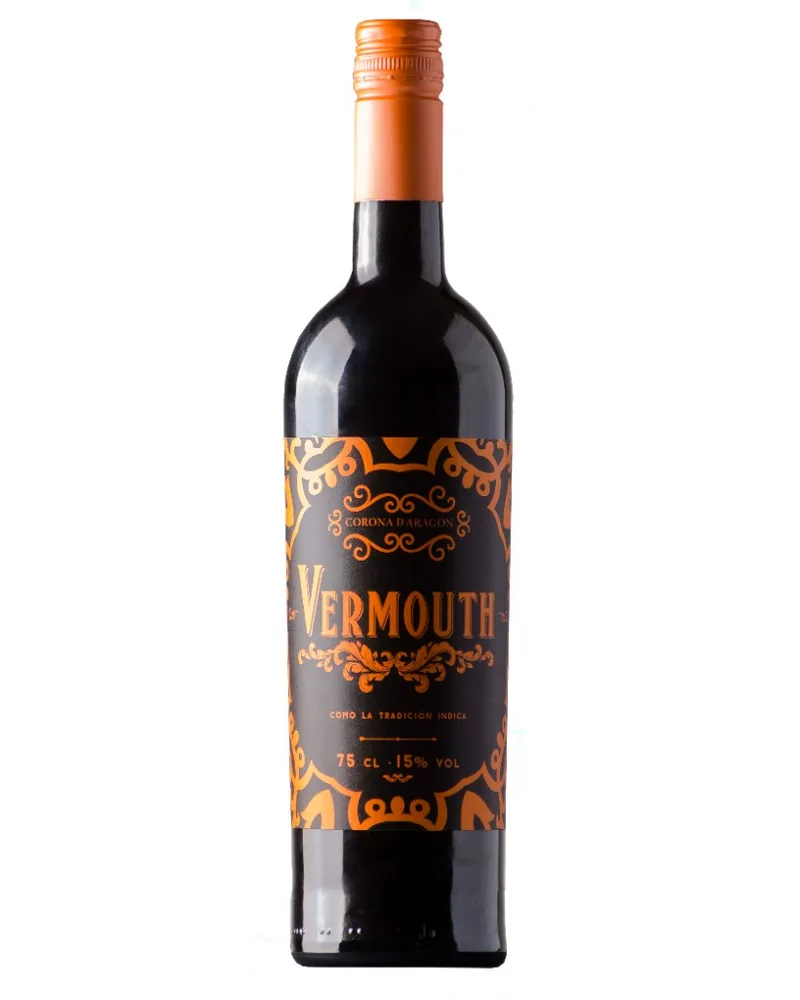
Many houses sell 1 L or 1.5 L bottles intended for frequent drinking — the spirit of tap service with a bottle closure. Yzaguirre Clásico, Corona de Aragón and Zarro Rojo are terrace benchmarks that also live in bottles.
How to order it at a bar
Typical pairings include olives, crisps, pickles and anchovies — see vermouth pairings for details.
- Basic: “A vermouth on tap, well chilled.”
- With a preferred serve: “With orange / with an olive / with a splash of siphon.”
- With discernment: “Which brand do you have on tap?” or “Do you have a vermouth menu?”
- At a vermouth bar: ask whether there is more than one tap (red, white, artisan).
At home: improvising a tap without a keg
- Choose a fast-moving semi-sweet rosso in a 75 cl or one-litre format.
- Keep it in the fridge after opening, not in the cupboard.
- If you drink a lot, consider a BIB or tapped jug.
- Serve at 4–8 °C in a wide glass over ice; tightly seal the remainder (how to store vermouth).
White and signature vermouth on tap
Tap service is no longer limited to industrial red vermouth. There are white tap vermouths, seasonal rosés and small-production artisan recipes. Filter the red vermouth ranking or Spanish catalogue, and ask at the bar about the bottled twin of the tap vermouth.
Next step
Experience the ritual through vermuteo, refine your service with how to drink vermouth, or explore the schools of Reus, Catalonia and Madrid.
In the catalogue
Referenced or representative bottlings for this topic.
Montilla
Red · Artisan · Medium-sweet
Cruz Conde Vermouth Artesano Grifo
Bodegas Cruz Conde
Montilla, España
- Ageing
- Unaged
VP Score
El Morell
Red · Medium-sweet
Yzaguirre Clásico Rojo
Yzaguirre
El Morell, España
- Ageing
- Unaged
VP Score
Cariñena
Red · Medium-sweet
Corona de Aragón Vermouth Tinto
Grandes Vinos y Viñedos
Cariñena, España
- Ageing
- Barrel-aged
VP Score
- Peñín:
- 90
Fuenlabrada
Red · Medium-sweet
Zarro Rojo
Bodegas Sanviver
Fuenlabrada, España
- Ageing
- Barrel-aged
VP Score
Frequently asked questions
What is vermouth on tap?
It is vermouth served from a keg, container or pressurised system at a bar, or from a Bag-in-Box or tapped jug at home. It is the same drink as bottled vermouth in a different package and consumption cycle, and fresher when the system is well maintained.
Is vermouth on tap lower quality?
Not necessarily. There are mediocre industrial taps and excellent artisan ones. Turnover, system cleanliness and the house recipe matter — not the fact that the drink comes through a spout.
How long does opened tap vermouth last?
At a bar it depends on volume and keg care. At home, a vacuum-sealed Bag-in-Box keeps for weeks in the fridge better than a half-empty bottle. Always refrigerate it after opening.
Are house vermouth and tap vermouth the same?
Often the house vermouth is the one served on tap, but it may instead be poured from a bottle. Ask whether it is from a keg or bottle and which brand it is.
How do I order it at a bar?
Ask for “a vermouth on tap, well chilled, with orange”, or choose an olive or siphon. If there is a menu, ask for the brand. Specialist vermouth bars often have more than one tap.