Styles
Vermouth ageing
Barrel, solera and tinaja: the three vermouth ageing methods and how each transforms the aromatic profile and structure in the glass.
The three ageing methods
Vermouth can be aged through three main systems, each with a different effect on the finished profile:
At Vermutpedia we record the method in the `agingMethod` field (Barrel, Solera, Tinaja) and the time in `agingMonths` when the producer declares it.
| Method | Material | Oxidation | Typical notes | Regions |
|---|---|---|---|---|
| Barrel | Oak (American, French) | Slow through wood | Vanilla, toast, dried nuts | Italy, Spain, France |
| Solera | Oak, dynamic system | Continuous by racking | Oxidative, Jerez notes | Jerez, Montilla, Andalusia |
| Tinaja | Clay/earthenware | Neutral micro-oxygenation | Mineral, clean, no toast | La Mancha, Extremadura, Castilla |
Barrel ageing
How it works
Vermouth rests in oak barrels—generally 225 to 500 litres—for a set period. Wood is porous, so a slow flow of oxygen produces gentle oxidative ageing. At the same time, the vermouth extracts compounds from the wood:
- Lactones — coconut and new-wood notes.
- Eugenol — spice and clove.
- Vanillin — vanilla.
- Tannins — structure and astringency.
Types of oak
- American oak — more porous, contributing intense vanilla and coconut.
- French oak — finer, with subtler spice and toast.
- Hungarian oak — an intermediate style used by some historic houses.
Resulting profile
Barrel-aged vermouth gains:
Examples: Falset Reserva des de 1912 (5 years in century-old butts), Perucchi Gran Reserva (18–24 months in oak) and Vermut La Villa (3 months in oak).
- Body — greater structure and denser texture.
- Complexity — vanilla, toast and dried fruit.
- Integration — botanicals meld more closely with the base wine.
- Evolution — it changes in the glass, revealing nuance as it opens.
Solera ageing
How it works
Solera is the traditional system of Jerez and Montilla. Barrels are arranged in tiered rows called criaderas (younger) and soleras (older). Vermouth is periodically racked: a portion is drawn from the solera for bottling and replaced from the row above. Bottled vermouth is therefore always a blend of different ages.
Characteristics
- Consistent profile — the product remains similar year after year.
- Accumulated complexity — a blend of young and very old vermouths.
- Jerez notes — the influence of the cellar environment and flor yeasts.
- Oxidative ageing — more pronounced than in a static barrel.
Resulting profile
Solera-aged vermouth is distinguished by:
Examples: Lustau Rojo, Romate Vermut Jerezano and El Palique de Jerez.
- Oxidative notes — dried fruit, raisins and quince.
- Cellar character — the atmosphere of the criadera and its yeasts.
- Roundness — softness created by blending different ages.
- Persistence — a long, complex finish.
Tinaja ageing
How it works
A tinaja is a traditional clay or earthenware vessel used in Spanish regions such as La Mancha, Extremadura and Castile. Clay is porous but chemically neutral, allowing micro-oxygenation similar to a barrel without contributing wood compounds.
Characteristics
- Neutral ageing — no toast or vanilla notes.
- Minerality — the vermouth expresses more of its terroir.
- Clean profile — more direct and less marked by wood.
- Tradition — an ancestral method that is now uncommon.
Resulting profile
Tinaja-aged vermouth offers:
Examples: a few vermouths from La Mancha and Extremadura, made in very limited quantities.
- Exposed botanicals — no interference from wood.
- Mineral notes — salinity, earth and stone.
- Freshness — it remains agile despite ageing.
- Authenticity — a profile closely tied to its origin.
Profile comparison
| Aspect | Barrel | Solera | Tinaja |
|---|---|---|---|
| Wood notes | Vanilla, toast | Oxidative, dried fruits | None |
| Body | Medium-high | High | Medium |
| Botanicals | Integrated | Fused, complex | Exposed |
| Minerality | Low | Medium | High |
| Best for | Slow tasting, structured cocktails | Author Negroni, winter | Aperitif, summer |
| Price | Medium-high | High | Variable (niche) |
Typical ageing times
For solera-aged vermouth, the time is an average because each bottle blends different ages. A solera with an average age of five years may contain traces of 20-year-old vermouth.
| Method | Reserve | Gran reserva | Special |
|---|---|---|---|
| Barrel | 6–12 months | 12–24 months | 24+ months |
| Solera | 2–3 years (average) | 5–8 years (average) | 10+ years |
| Tinaja | 6–12 months | 12–18 months | 18+ months |
How to choose by method
Choose barrel if:
- You want vanilla and toast notes.
- You enjoy a bourbon- or whisky-like profile in wine.
- You need vermouth for structured cocktails.
- You appreciate the influence of wood.
Choose solera if:
- You are interested in Jerez and oxidative notes.
- You seek extreme complexity.
- You want vermouth with cellar character.
- You are drawn to Andalusian tradition.
Choose tinaja if:
- You prefer pure botanicals without wood.
- You seek minerality and freshness.
- You value traditional authenticity.
- You want a different, singular profile.
Comparative examples by method
Barrel
| Vermouth | Time | Notes | Approx. price |
|---|---|---|---|
| Falset Reserva | 5 years | Century-old butts, Priorat | ~€35 |
| Perucchi Gran Reserva | 18–24 months | Elegant, dried fruit | ~€22 |
| Vermut La Villa | 3 months | Gentle toast, PX, strawberry tree | ~€15 |
Solera
| Vermouth | Notes | Approx. price |
|---|---|---|
| Lustau Rojo | Jerez, oxidative, complex | ~€16 |
| Romate Vermut Jerezano | Tradition, cellar notes | ~€18 |
| El Palique de Jerez | Jerez, solera, tradition | ~€15 |
Tinaja
| Vermouth | Notes | Approx. price |
|---|---|---|
| (Limited production; browse the catalogue) | Mineral, pure botanicals | Variable |
Ageing vs reserve: clarifying the terms
A vermouth may be aged even when the producer does not call it “reserve”—for example, when the method is used internally. On Vermutpedia:
- Ageing = the ageing method (barrel, solera or tinaja).
- Reserve = a commercial category implying a minimum ageing period.
- `agingMethod` = the ageing system (Barrel, Solera, Tinaja).
- `agingMonths` = time in months, when declared.
- `reserva` = true when the producer uses the commercial reserve designation.
Next step
Browse by barrel, solera or tinaja, discover reserve vermouth or read the history of vermouth.
In the catalogue
Referenced or representative bottlings for this topic.
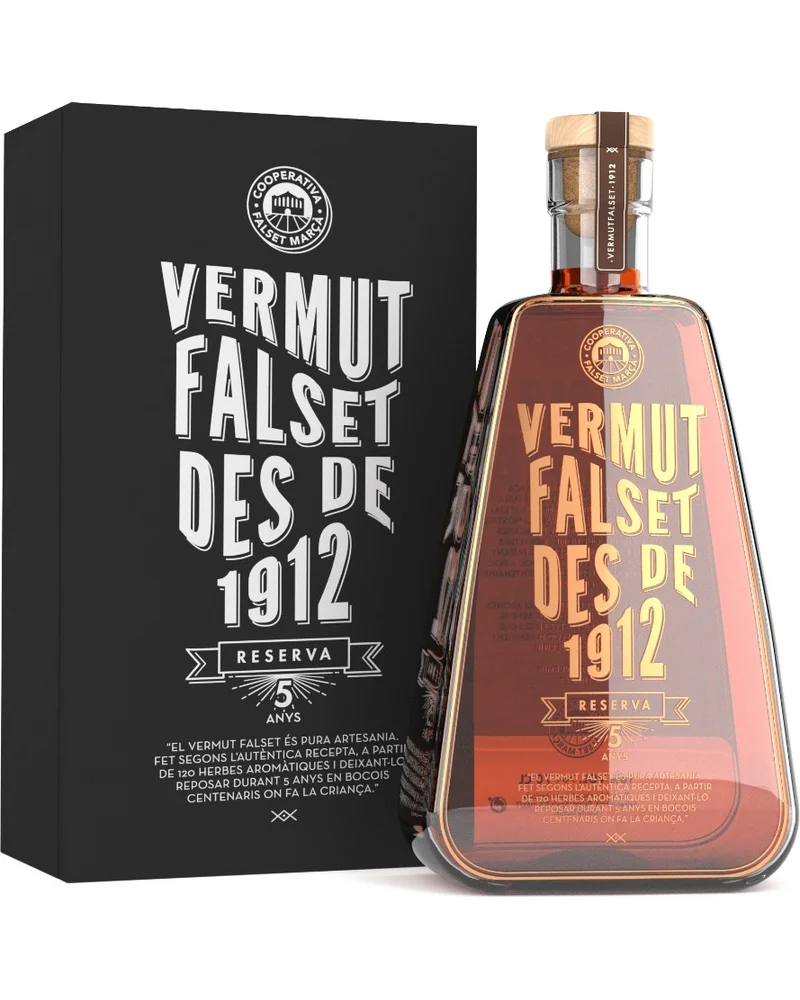
Falset
Other · Reserve · Artisan · Sweet
Falset Reserva des de 1912
Cooperativa Falset Marçà (ÈTIM)
Falset, España
- Ageing
- Barrel-aged
VP Score
Jerez
Red · Medium-sweet
Lustau Vermut Rojo
Emilio Lustau
Jerez, España
- Ageing
- Solera
VP Score
- Peñín:
- 90
Badalona
Red · Reserve · Medium-sweet
Perucchi Gran Reserva
Perucchi
Badalona, España
- Ageing
- Solera
VP Score
Frequently asked questions
What ageing methods exist for vermouth?
The three main ones are: barrel (American or French oak), solera (Andalusian system of criaderas and soleras) and tinaja (clay/earthenware). In Vermutpedia we use the "agingMethod" field to indicate the system of each vermouth.
What is the difference between barrel ageing and solera?
Barrel is static: vermouth ages a fixed time in a barrel. Solera is dynamic: vermouth of different ages is mixed by racking between staggered barrels, resulting in a consistent profile with complex ageing notes.
Does tinaja contribute wood notes to vermouth?
No. The clay tinaja is porous but neutral, allowing micro-oxygenation without toast or vanilla contribution. The result is a vermouth with ageing but without wood notes, cleaner and more mineral.
How long should vermouth ageing last?
It depends on the method and objective. In barrel: 6-12 months for reserve, 12-24 for gran reserve. In solera: the youngest vermouth may have 2-3 years, the oldest 10+. In tinaja: variable, typically 6-18 months.
Are all aged vermouths reserve?
In practice yes, but the "reserve" label is a commercial decision. In Vermutpedia we mark "reserve" when the producer explicitly indicates it, and "agingMethod" describes the system regardless of commercial category.