Alba
White · Medium-sweet
D.co Ulrich Vermouth Bianco
Overall impression
Vermutpedia is re-evaluating the Italian catalogue; the Vermutpedia Score for this entry remains pending until the new tasting round is complete. Vermouth Bianco Domenico Ulrich is the standard white expression of the Ulrich range that Distilleria Marolo revived in 2016 from the forgotten recipes of Turinese botanist Domenico Ulrich (1854) — grappamarolo.it. According to marolo.com, made with 100% Cortese wine from Piedmont and Piedmontese artemisia; straw-yellow colour, Torinese delizia profile with notes of elderflower, vanilla and rose. Lorenzo Marolo recovered formulas from the herbalist awarded a gold medal in 1885, adapted to the contemporary drinker without betraying the original vision. 16% vol., 750 ml; member of the Consorzio Vermouth di Torino. For Vermutpedia, it represents the entry-level Ulrich bianco in the range — alongside Rosso, Extra Dry and the Superiore Umberto lines with wood ageing — more accessible than Umberto Bianco Superiore, but with rigorous protocol: exclusive Cortese, local artemisia, botanics cultivated in the territory and no caramel in the reds per Marolo philosophy.
Nose and palate
The official sheet describes straw-yellow colour and a delicately fruity and spiced taste, with notes of elderflower, vanilla and rose. On the nose, delicate Cortese fruit — fresh white profile — interwoven with flowers, soft vanilla and herbaceous nuances of Piedmontese artemisia; elderflower adds the floral-balsamic accent characteristic of the Ulrich range. On the palate, moderate sweetness coherent with semisweet delizia style, finish with light artemisia bitterness that balances without aggression. Clean texture, 16% vol., less ample than Umberto Bianco Superiore (18% vol., wood ageing) but more refined than generic commercial white vermouths. Compared with Cocchi Extra Dry, Ulrich Bianco is more floral and round, less mineral and dry. Compared with Ulrich Rosso, it maintains Marolo protocol — Cortese, local artemisia — with aromatic white profile. For palates seeking Vermouth di Torino bianco with historic soul and declared Piedmontese botany, it is the gateway to the D.co Ulrich collection before moving up to Superiore references.
How to serve it
Marolo recommends Bianco Ulrich very cold, alone or in classic cocktails: white Martini, aperitif with lemon or on-the-rocks service when a semisweet white with 16% vol. and floral notes is sought. Serve between 6 and 8 °C in a cocktail glass or small tumbler; lemon twist enhances elderflower and citrus. Also with soda or light tonic for summer aperitivo, coherent with Torinese tradition of white vermouth in cafés. In mixology, a modifier in drinks requiring aromatic white without the body of Superiore Umberto. Pairs with light appetisers, fish, salads and fresh cheeses. Not a quick-pour extra dry white: vermouth for paced tasting with floral finish and integrated bitterness. For Vermutpedia, it fits an Italian premium vermouth list alongside Rosso and Umberto Superiore lines from the same historic collection.
Production context
Distilleria Marolo makes Bianco Ulrich in Alba (Piedmont) following rigorous protocol documented at grappamarolo.it: 100% Cortese wine; only Piedmontese artemisia per Vermouth di Torino regulations; local botanics for territorial profile; red colouring with burnt sugar, no caramel. 16% vol.; 750 ml format. D.co Ulrich range: Rosso, Rosso Superiore Umberto, Bianco, Bianco Superiore Umberto, Extra Dry. Marolo revived the recipes of Domenico Ulrich (1854), pioneer awarded in 1885. Member of the Consorzio Vermouth di Torino. For Vermutpedia, D.co Ulrich Vermouth Bianco synthesises authorial Torinese bianco: Cortese, elderflower, vanilla, rose and Ulrich-Marolo heritage documented at marolo.com and grappamarolo.it.
Discover more
More from Distilleria Marolo
View all (5) →Alba
Other · Dry
D.co Ulrich Vermouth Extra Dry
Distilleria Marolo
Alba, Italia
- Ageing
- Unaged
Alba
Red · Medium-sweet
D.co Ulrich Vermouth Rosso
Distilleria Marolo
Alba, Italia
- Ageing
- Unaged
Alba
White · Medium-sweet
D.co Ulrich Vermouth Umberto Bianco Superiore
Distilleria Marolo
Alba, Italia
- Ageing
- Barrel-aged
Alba
Red · Medium-sweet
D.co Ulrich Vermouth Umberto Rosso Superiore
Distilleria Marolo
Alba, Italia
- Ageing
- Barrel-aged
More from Alba
Alba
White · Medium-sweet
Calissano Vermouth Superiore Bianco
Calissano
Alba, Italia
- Ageing
- Unaged
Alba
Red · Medium-sweet
Calissano Vermouth Superiore Rosso
Calissano
Alba, Italia
- Ageing
- Unaged
Alba
Other · Dry
D.co Ulrich Vermouth Extra Dry
Distilleria Marolo
Alba, Italia
- Ageing
- Unaged
Alba
Red · Medium-sweet
D.co Ulrich Vermouth Rosso
Distilleria Marolo
Alba, Italia
- Ageing
- Unaged
Same type and style — White · Medium-sweet
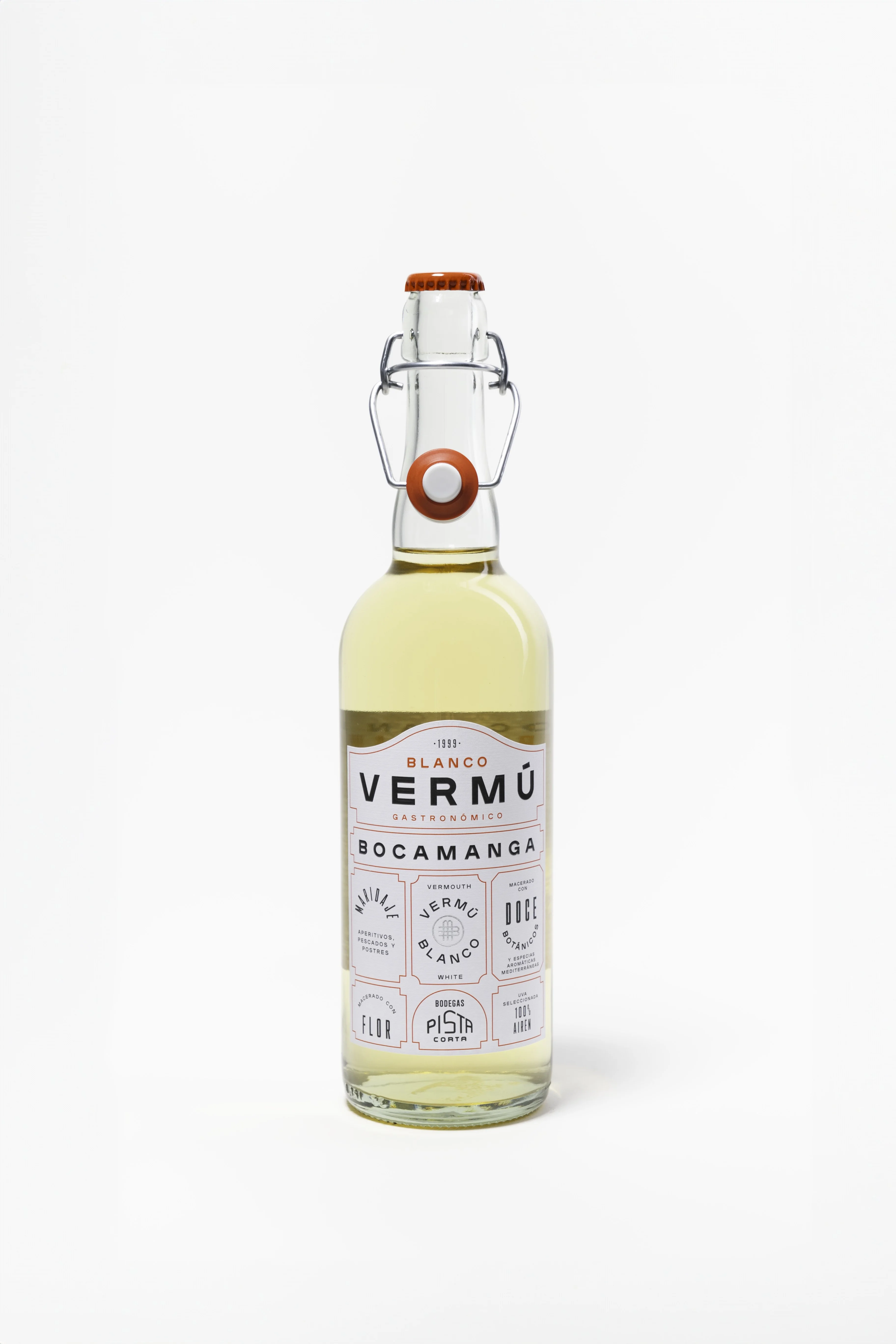
Madrid
White · Artisan · Medium-sweet
Bocamanga Blanco
Pista Corta Bodegas
Madrid, España
- Ageing
- Unaged
VP Score
- Peñín:
- 89
Segovia
White · Artisan · Medium-sweet
Vermú Premium Garciani
Garciani
Segovia, España
- Ageing
- Unaged
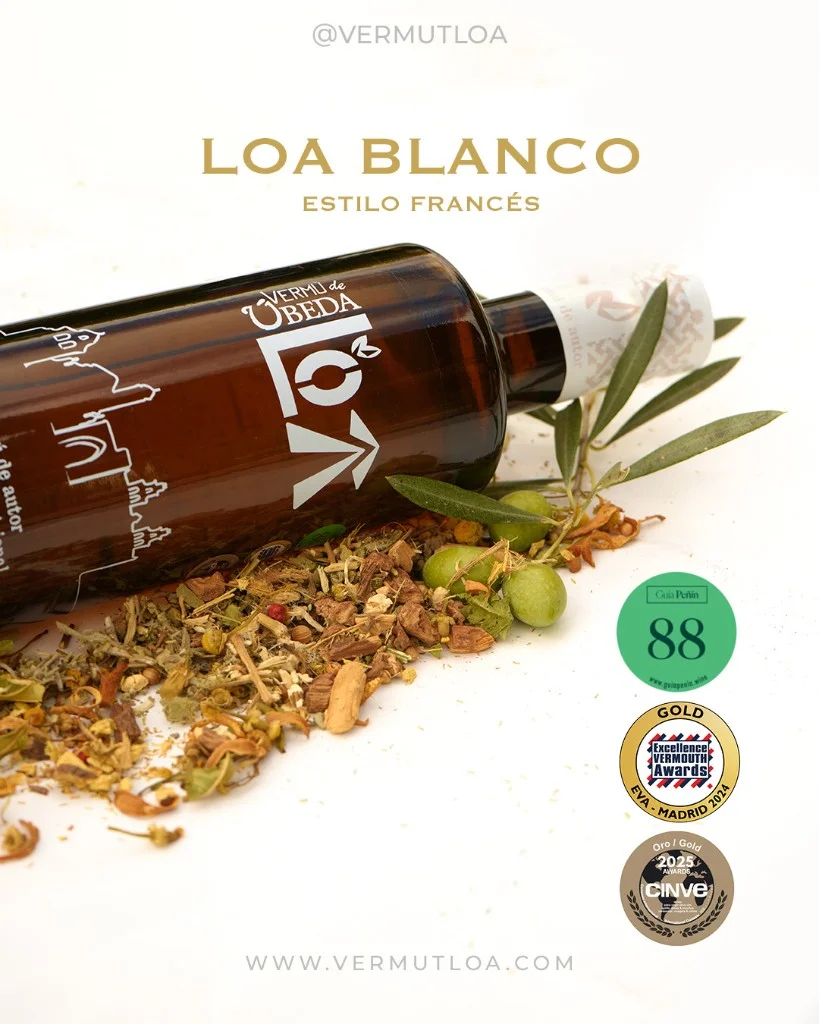
Úbeda
White · Artisan · Medium-sweet
Vermut LOA Blanco
Vermut LOA
Úbeda, España
- Ageing
- Unaged
VP Score
- Peñín:
- 88
Country guide
The best Italian vermouths
Birthplace of modern vermouth: we are re-evaluating the full Italian catalogue. Until the new scores are published, the table at the top remains empty.
View Italia ranking →