Asti
White · Artisan · Medium-sweet
Rovero Vermouth di Torino Bianco Bio
Overall impression
Vermutpedia is re-evaluating the Italian catalogue; the Vermutpedia Score for this entry remains pending until the new tasting round is complete. Rovero Vermouth di Torino Bianco Bio is the white expression of one of Piedmont's historic vermouth houses. According to rovero.it, vermouth was born in Turin with Antonio Benedetto Carpano in 1786, but another celebrated business was Rovero's, which counted King Charles Albert among its clientele. Vigneti e Cantine Rovero produces in San Marzanotto (Asti) a luxury Italian aromatised wine: selected and dosed herbs and spices for alcohol extraction, united with white wine and sugar. Official ingredients: white wine, sugar, alcohol, aromatic herb and spice extracts. For Vermutpedia, it is organic Vermouth di Torino with Asti tradition since the late nineteenth century: artisan, with bio method across the estate and a floral-digestive profile. It does not aim to compete with high-volume industrial vermouths; it is a Piedmontese reference of complex botanicals and artisan winemaking. 16% vol., 16% sugar w/v, 0.75 l bottle. Partner to Rosso Bio in the Rovero range. Verifiable on the winery's official website.
Nose and palate
The official website lists dozens of botanicals in maceration: common and pontic wormwood, fennel, coriander, bay, chamomile, cinnamon, ginger, angelica, clove, nutmeg, bitter orange, gentian, nettle, sweet orange, juniper, red quinine, lemon, elderflower, bergamot, liquorice and more. The house winemaker describes a wine that moves, rich in sensation: among aromatising herbs and spices, artemisia and citrus with china root give balanced bitter tones on the finish. On the nose, fresh spices, muscat and orange blossom; on the palate, china root and citrus with balanced bitter aftertaste. Straw-yellow colour. Sixteen percent sugar brings semisweet roundness without cloying; artemisia and citrus maintain verticality. Compared with Rosso Bio (caramel, warmer profile), the Bianco is more floral and digestive. For anyone seeking organic Torino white with extensive Piedmontese botanicals, the artemisia-citrus-china profile offers a tasting coherent with rovero.it.
How to serve it
Rovero recommends strictly cold consumption: neat or lengthened with water for a refreshing drink. It works as aperitif or digestif, in spritz, white Martini or Vesper when a Torino profile with marked artemisia is sought. The house also suggests kitchen use: fish, seafood, meats (roasts, skewers, rolls) and pastry to flavour sweets. At 8–10 °C in cup or wide glass with moderate ice; cold enhances citrus and chamomile without cancelling china root. In white Negroni or soft tonic combinations, bio character and complex botanicals bring identity distinct from industrial vermouths. For Vermutpedia, Rovero Bianco Bio is drunk cold, solo or in classic cocktails, as Piedmontese aperitif vermouth with Charles Albert heritage and organic method verifiable on the official website.
Production context
Vigneti e Cantine Rovero (San Marzanotto, Strada Valdonata 216, Asti) produces with Asti vermouth tradition since the nineteenth-century Rovero business. Bianco Bio: 16% vol., 16% sugar w/v, 0.75 l bottle. Preparation: herbs and spices in alcohol extraction, united with organic white wine. Member of Consorzio Vermouth di Torino. Range with Rosso Bio. Historic client King Charles Albert; export to South America, the United States and Europe since the late 1800s according to official house history. For Vermutpedia, the Bianco synthesises organic Asti white Vermouth di Torino: artemisia and citrus protagonists, semisweet, no ageing. A piece of the Piedmontese vermouth map verifiable at rovero.it.
Discover more
More from Vigneti e Cantine Rovero
View all (2) →More from Asti
Asti
White · Artisan · Medium-sweet
Bèrto Vermouth Bianco Apertiv dla Tradission
Distilleria Quaglia
Asti, Italia
- Ageing
- Unaged
Asti
White · Artisan · Extra dry
Bèrto Vermouth Dry
Distilleria Quaglia
Asti, Italia
- Ageing
- Unaged
Asti
Red · Artisan · Medium-sweet
Bèrto Vermouth Rosso da Travaj
Distilleria Quaglia
Asti, Italia
- Ageing
- Unaged
Asti
White · Artisan · Medium-sweet
Bèrto Vermouth Superiore Bianco
Distilleria Quaglia
Asti, Italia
- Ageing
- Unaged
Same type and style — White · Medium-sweet
Segovia
White · Artisan · Medium-sweet
Vermú Premium Garciani
Garciani
Segovia, España
- Ageing
- Unaged
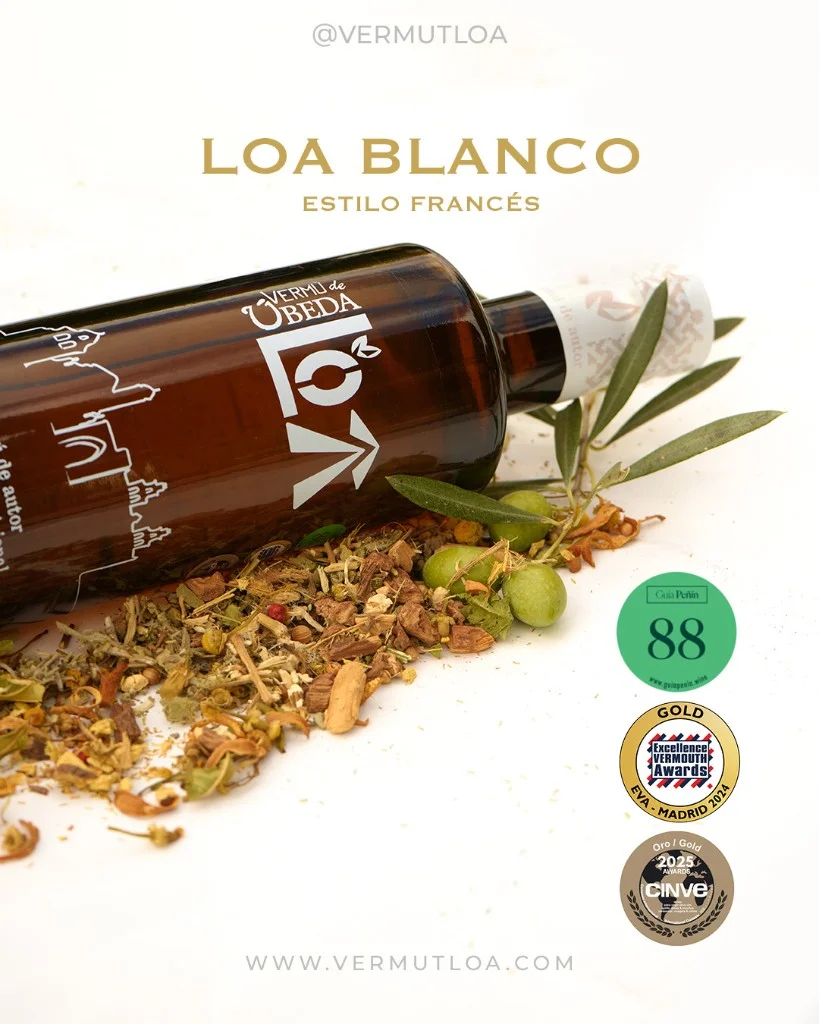
Úbeda
White · Artisan · Medium-sweet
Vermut LOA Blanco
Vermut LOA
Úbeda, España
- Ageing
- Unaged
VP Score
- Peñín:
- 88
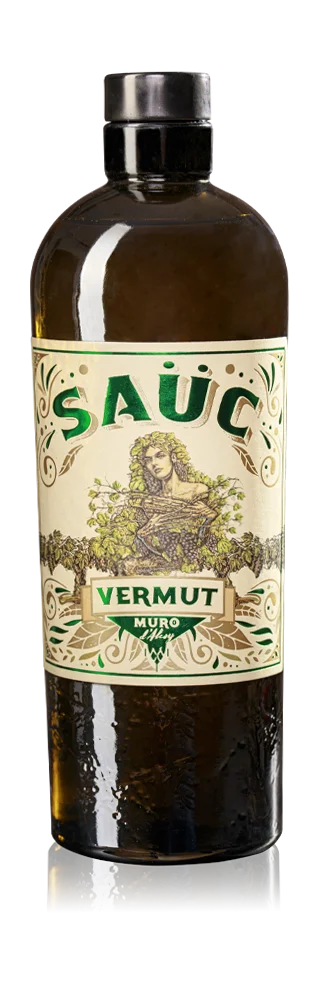
Muro de Alcoy
White · Reserve · Artisan · Medium-sweet
Vermut Saüc Blanco
Celler La Muntanya
Muro de Alcoy, España
- Ageing
- Barrel-aged
VP Score
Country guide
The best Italian vermouths
Birthplace of modern vermouth: we are re-evaluating the full Italian catalogue. Until the new scores are published, the table at the top remains empty.
View Italia ranking →