Asti
White · Medium-sweet
Forteni Bianco
Overall impression
Vermutpedia is re-evaluating the Italian catalogue; the Vermutpedia Score for this entry remains pending until the new tasting round is complete. Forteni Bianco is an entry-level Piedmont white vermouth, made in Asti by the Forteni house according to the producer sheet on gustoditalia.com — a distributor with official origin and composition data. Classic Italian aperitif, light and pleasant, with straw-yellow colour and sweet taste with spiced notes; 14.4% vol., 1 litre bottle. Composition: 87% wine, sugar, 1.7% aromatic plant extract, aroma, citric acid, sulphur dioxide. Heritage of sixteenth-century vermouth tradition perfected in Turin since 1786. Very present in supermarket channels — Carrefour and similar — as an economical litre option. For Vermutpedia, it represents accessible Piedmont bianco: simple, fresh, versatile in aperitif and classic cocktails, with verifiable data on the Forteni producer sheet at Gusto d'Italia.
Nose and palate
Straw-yellow colour according to the sheet. Sweet, spiced and soft herbal notes on the nose; on the palate, a simple profile with medium sweetness and fresh finish. Light texture, direct passage, contained bitterness from botanical extracts at 1.7%. Less complex than premium Italian or French whites, but works as mixing white vermouth: Bronx, Old Pal or aperitif with tonic. Compared with Martini Bianco or ambrato reserves, Forteni is more economical and less evolving; against litre reds, it offers freshness and lower density. A bianco for palates seeking Piedmont litre vermouth without investment, coherent with the producer description on gustoditalia.com.
How to serve it
Very cold, solo or with soda, tonic and lemon slice for quick aperitif — recommended service on the producer sheet. Classic cocktails suggested on the sheet: Bronx (¼ Forteni Bianco, ¼ Forteni Rosso, ¼ gin, ¼ orange juice); Old Pal (⅓ Bianco, ⅓ brandy, ⅓ Campari). Also in white Martini or light spritz. Cold temperature; moderate ice. Pairs with antipasti, olives and simple appetisers. No slow tasting required: everyday and kitchen vermouth. 1 L format, 14.4% vol. For Vermutpedia, Forteni Bianco is litre white for cold aperitif, tonic or classic cocktails according to the producer sheet.
Production context
Producer: Forteni, Asti, Piedmont, Italy — according to gustoditalia.com. Production: maceration of aromatic plants (1.7% extracts), spices and natural aromas in white wine, with sugar, citric acid and sulphites. 14.4% vol., 1 L. Origin: Piedmont region, city of Asti. Article code FORTENBIA100. Main distribution in European retail channels. Contains sulphites. No brand website; specialised distributor producer sheet as verifiable source. For Vermutpedia, Forteni Bianco synthesises economical Piedmont white vermouth: Asti, 14.4% vol., 1 L and documented composition at gustoditalia.com/vermouth-blanc-forteni-bianco-100cl-c2x11889517.
Discover more
More from Forteni
View all (2) →More from Asti
Asti
White · Artisan · Medium-sweet
Bèrto Vermouth Bianco Apertiv dla Tradission
Distilleria Quaglia
Asti, Italia
- Ageing
- Unaged
Asti
White · Artisan · Extra dry
Bèrto Vermouth Dry
Distilleria Quaglia
Asti, Italia
- Ageing
- Unaged
Asti
Red · Artisan · Medium-sweet
Bèrto Vermouth Rosso da Travaj
Distilleria Quaglia
Asti, Italia
- Ageing
- Unaged
Asti
White · Artisan · Medium-sweet
Bèrto Vermouth Superiore Bianco
Distilleria Quaglia
Asti, Italia
- Ageing
- Unaged
Same type and style — White · Medium-sweet
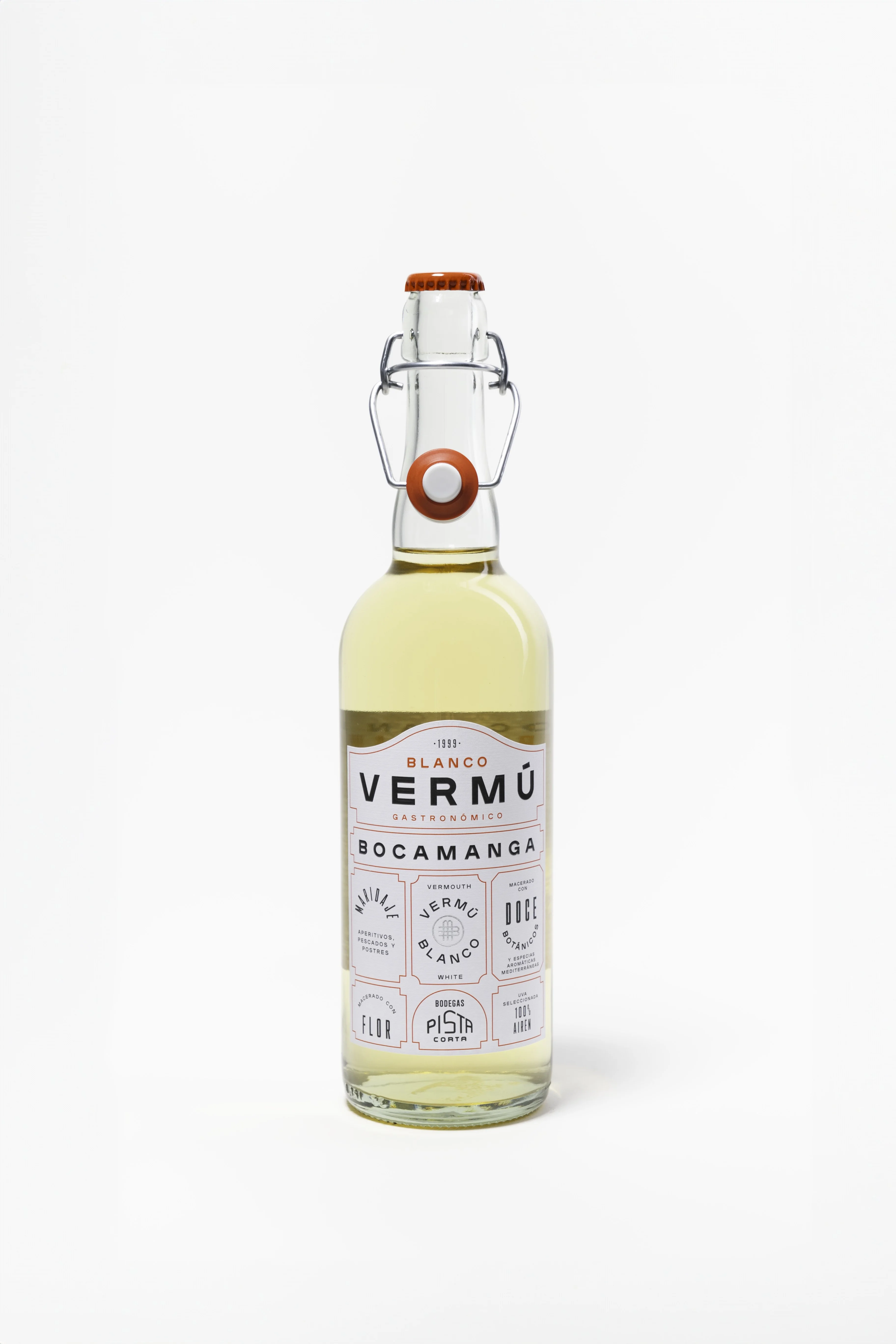
Madrid
White · Artisan · Medium-sweet
Bocamanga Blanco
Pista Corta Bodegas
Madrid, España
- Ageing
- Unaged
VP Score
- Peñín:
- 89
Segovia
White · Artisan · Medium-sweet
Vermú Premium Garciani
Garciani
Segovia, España
- Ageing
- Unaged
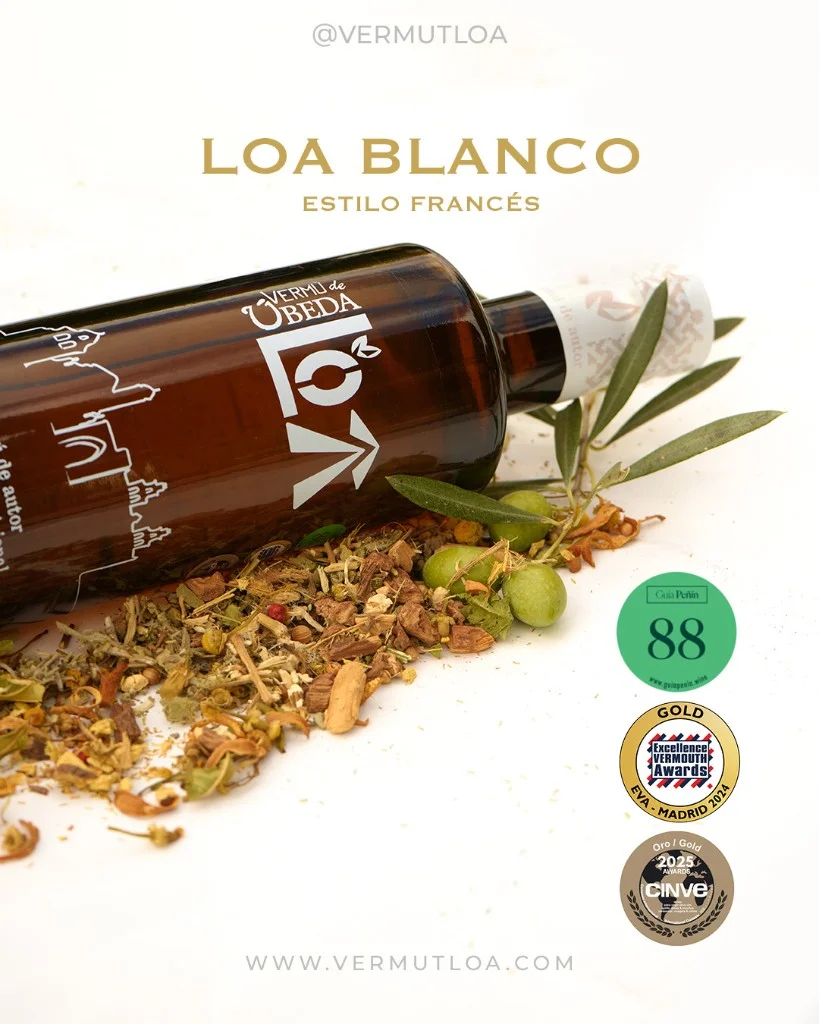
Úbeda
White · Artisan · Medium-sweet
Vermut LOA Blanco
Vermut LOA
Úbeda, España
- Ageing
- Unaged
VP Score
- Peñín:
- 88
Country guide
The best Italian vermouths
Birthplace of modern vermouth: we are re-evaluating the full Italian catalogue. Until the new scores are published, the table at the top remains empty.
View Italia ranking →