Marseillan
Red · Medium-sweet
Noilly Prat Rouge
Noilly Prat (Martini & Rossi / Bacardi)
Vermutpedia Score: 7.6/10
Overall impression
Noilly Prat Rouge is the sweet red vermouth of the Marseillan house, relaunched in the 1960s and considered the most complex in the range according to French vermouth tradition. According to noillyprat.com, it is made with twenty-seven herbs and spices from around the world — among them sweet orange from Spain, cinnamon from Sri Lanka, Ecuadorian cinchona bark, clove and cocoa beans from Madagascar — on a white-wine base macerated with the distinctive ageing process in ex-Cognac and ex-whisky oak barrels outdoors. At 16% vol. and 75 cl, it occupies the sweet-red register of the collection alongside Original Dry, Extra Dry and Ambré. The house recommends it as L'Apéritif with charcuterie or chocolate dessert. For Vermutpedia, it represents French red vermouth of maximum botanical complexity in the Noilly Prat range: a profile distinct from the usual Italian or Spanish red, with spices, dried fruit, clove and cocoa integrated in a broad, balanced body.
Nose and palate
The organoleptic profile of Rouge is intense red, spiced and broad according to house tradition. On the nose emerge spices, dried fruit, clove and cocoa, with a layer of Spanish sweet orange, Sri Lankan cinnamon and Ecuadorian cinchona. On the palate the body is broad, with balanced sweetness and spiced bitterness that closes the ensemble without cloying. Texture is enveloping, passage round, spiced persistence and slightly chocolatey finish. Passage through ex-Cognac and ex-whisky barrels adds roundness and subtle toasted nuances that distinguish Noilly Prat from industrial red vermouths without ageing. Compared with Ambré — fifteen botanicals, honeyed floral profile without clove — Rouge is denser and more spiced; against Extra Dry — austere and precise for Martini — it prioritises opulence and complexity. A rosso for palates seeking French vermouth with twenty-seven documented botanicals, clove and cocoa, and verifiable Marseillan process on the official website.
How to serve it
Noilly Prat recommends Rouge served as L'Apéritif with charcuterie or chocolate dessert according to noillyprat.com. Also on its own with ice, wetting the rim of the glass with orange, or in Negroni and Manhattan where a broad-bodied French red vermouth is sought. Serve very cold, between 4 and 6 °C, in a wide glass or low tumbler; ice opens spices and cocoa without cloying. Pairs with cured meats, aged cheeses, preserves and chocolate desserts. Works in Boulevardier, Americano and author creations where Rouge brings spiced depth. Not vermouth for Dry Martini: it invites appreciation of integrated clove, cocoa and cinchona. For Vermutpedia, Rouge is the Noilly Prat option for charcuterie aperitif and classic cocktailery documented at noillyprat.com/rouge-vermouth/. Temperature 4–6 °C; orange twist enhances citrus and spices. Complements Extra Dry in dry cocktailery and Ambré in the sweet-floral spectrum of the range.
Production context
Noilly Prat makes Rouge in Marseillan (Languedoc), southern France, since 1813. Relaunched in the 1960s as the house's sweet red vermouth. Twenty-seven herbs and spices — orange, cinnamon, cinchona, clove, cocoa and others — are infused according to the Rouge-specific recipe on macerated white wine. Ageing process in ex-Cognac and ex-whisky oak barrels outdoors, exposed to Mediterranean sun and wind. 16% vol., 75 cl. One of four Noilly Prat modalities (Original Dry, Extra Dry, Rouge, Ambré). Owned by Martini & Rossi / Bacardi. For Vermutpedia, Rouge synthesises Marseillan red vermouth: twenty-seven botanicals, ex-Cognac and ex-whisky barrel, 16% vol., tasting verifiable at noillyprat.com/rouge-vermouth/ and boutique.noillyprat.com.
Discover more
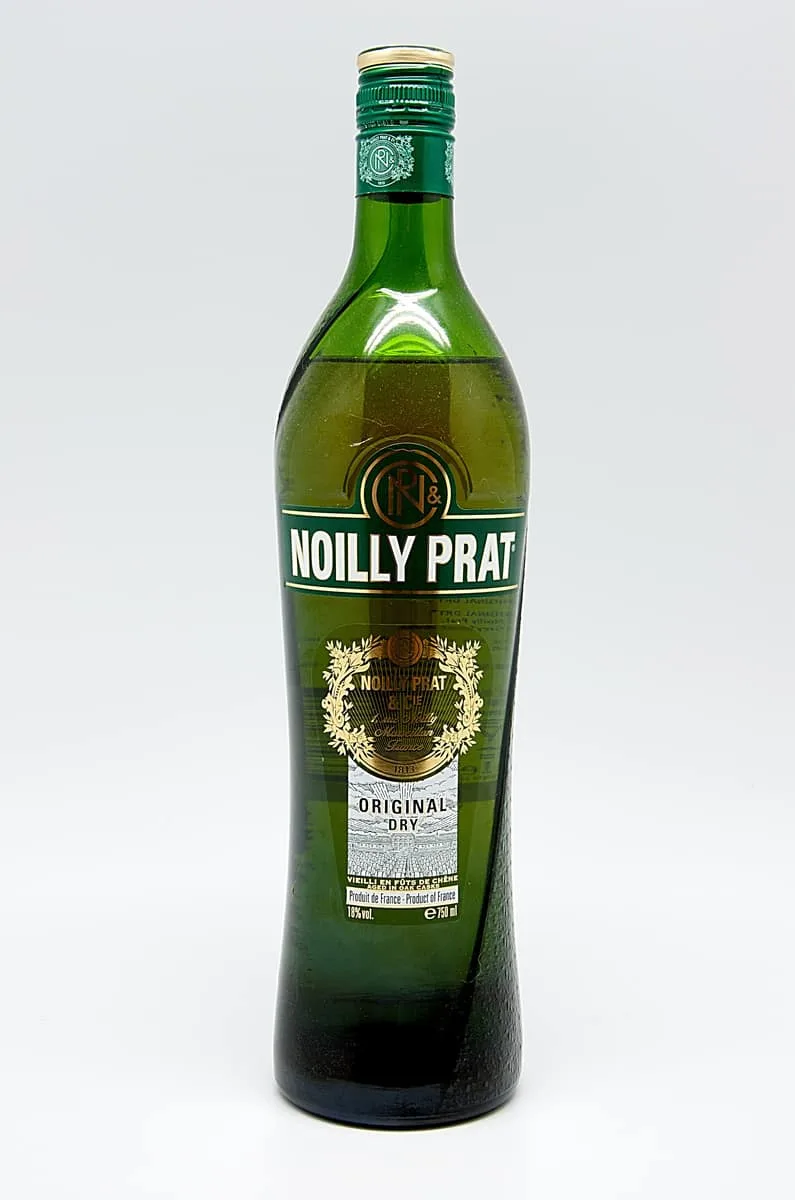
Marseillan
White · Extra dry
Noilly Prat Extra Dry
Noilly Prat (Martini & Rossi / Bacardi)
Marseillan, Francia
- Ageing
- Barrel-aged
VP Score
Marseillan
Other · Medium-sweet
Noilly Prat Ambré
Noilly Prat (Martini & Rossi / Bacardi)
Marseillan, Francia
- Ageing
- Barrel-aged
VP Score
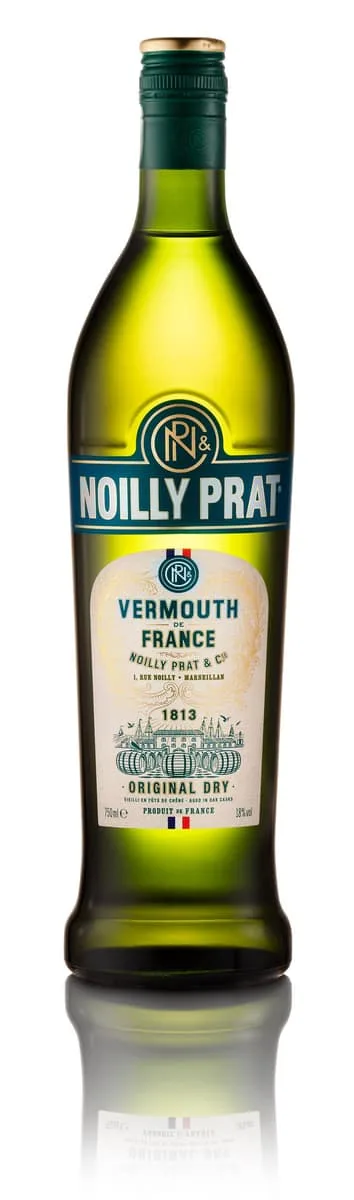
Marseillan
White · Dry
Noilly Prat Original Dry
Noilly Prat (Martini & Rossi / Bacardi)
Marseillan, Francia
- Ageing
- Barrel-aged
More from Marseillan
Marseillan
White · Extra dry
Noilly Prat Extra Dry
Noilly Prat (Martini & Rossi / Bacardi)
Marseillan, Francia
- Ageing
- Barrel-aged
VP Score
Marseillan
Other · Medium-sweet
Noilly Prat Ambré
Noilly Prat (Martini & Rossi / Bacardi)
Marseillan, Francia
- Ageing
- Barrel-aged
VP Score
Marseillan
White · Dry
Noilly Prat Original Dry
Noilly Prat (Martini & Rossi / Bacardi)
Marseillan, Francia
- Ageing
- Barrel-aged
Same type and style — Red · Medium-sweet
Sopuerta
Red · Reserve · Artisan · Medium-sweet
Txurrut Vintage Luxuzko
Txurrut Vermut
Sopuerta, España
- Ageing
- Unaged
VP Score
Montilla
Red · Artisan · Medium-sweet
Alvear Vermouth Rojo
Bodegas Alvear
Montilla, España
- Ageing
- Barrel-aged
VP Score
- Peñín:
- 94
Alfaro
Red · Reserve · Medium-sweet
Mon Dieu! Réserve
Châpeau Wines
Alfaro, España
- Ageing
- Barrel-aged
VP Score
Country guide
The best French vermouths
Dry Chambéry, Alpine rouge, and author projects: ranking of French vermouths with a published score. Quinquinas and quinados have separate profiles.
View Francia ranking →